October 23, 2026
Offset printing usually is not worth it for a small print run in 2026; digital printing is the better starting point because it avoids printing plates and their setup work. Offset becomes worth considering when your paper, ink, or finished-book requirements justify that setup, but extra copies also create storage and revision risks that a per-copy comparison misses.
Your printing decision affects more than the appearance of a finished book. It determines how much inventory you hold, how easily you update the next batch, and whether the production schedule fits your deadline.
For a first edition, an event booklet, or a workbook that changes between classes, print what you can use before the content needs updating. Start with these book printing options for short print runs if you are still deciding how the finished book should work.
Usually not for an ordinary book or booklet without special production requirements. Offset requires plates and press preparation before the run begins; digital printing produces pages from digital files without those plates. That difference makes digital the practical first comparison for a small batch.
There is no universal copy count at which offset becomes the better choice. Page count, paper, ink, trim size, and finishing all affect the comparison, so a threshold detached from your book specifications does not answer the question.
| Printing method | Best for | Main advantage | Main drawback | Recommendation |
|---|---|---|---|---|
| Digital printing | Small batches, test editions, and frequently revised books | Avoids plate-making and supports separate batches | Paper and ink choices depend on the equipment | Start here for a standard short run |
| Offset printing | Stable editions with a confirmed press-specific requirement | Supports dedicated ink and paper combinations on suitable presses | Requires plates and press setup before printing | Consider when the specification justifies it |
Neither method automatically produces a better book. Review actual print samples, paper, and binding rather than treating the press type as a quality guarantee.
Digital printing suits a project with uncertain demand or content that is likely to change. You approve the current edition, print a manageable batch, and revise the file before a later order instead of carrying outdated copies.
Publishing Xpress short-run printing is best for authors and organizations that need at least 25 copies without committing to a large inventory. The minimum is a useful boundary: it supports a batch order, not a single-copy purchase.
The company prints books, booklets, magazines, catalogs, and workbooks in black-and-white or color. Its binding choices include perfect binding, saddle stitch, Wire-O, and plastic coil, so you can choose the reading experience separately from the printing method.
The limitation is straightforward. Digital printing does not make every paper, ink, or finishing request possible, and a minimum order still means you need somewhere for the copies to go. Choose digital for a manageable batch, not as permission to skip planning.
Offset deserves a comparison when you can name a requirement that a suitable offset press meets and the digital alternative does not. A specified spot ink or a particular paper-and-press combination is a reason to ask questions; the word premium is not.
Confirm the requirement with the printer before redesigning the project around it. Not every offset press accepts every stock, and specifying offset alone does not define the finished result.
Offset also deserves consideration when you have a stable edition and a reliable distribution plan. Its setup is spread across the run, which becomes more relevant as the quantity increases. The drawback for a small order remains that the setup happens even when you need relatively few finished books.
For your 2026 project, ask what offset changes that readers will actually notice or need. If the answer is only that offset sounds more professional, stay with the digital comparison.
The same copy count can represent very different printing jobs. Use these factors to explain your project before asking a printer to recommend a process:
In 2026, the useful comparison remains project-specific: the same finished book, the quantity you need, and the date you need it in hand. A different specification is a different offer, not proof that one printing process wins.
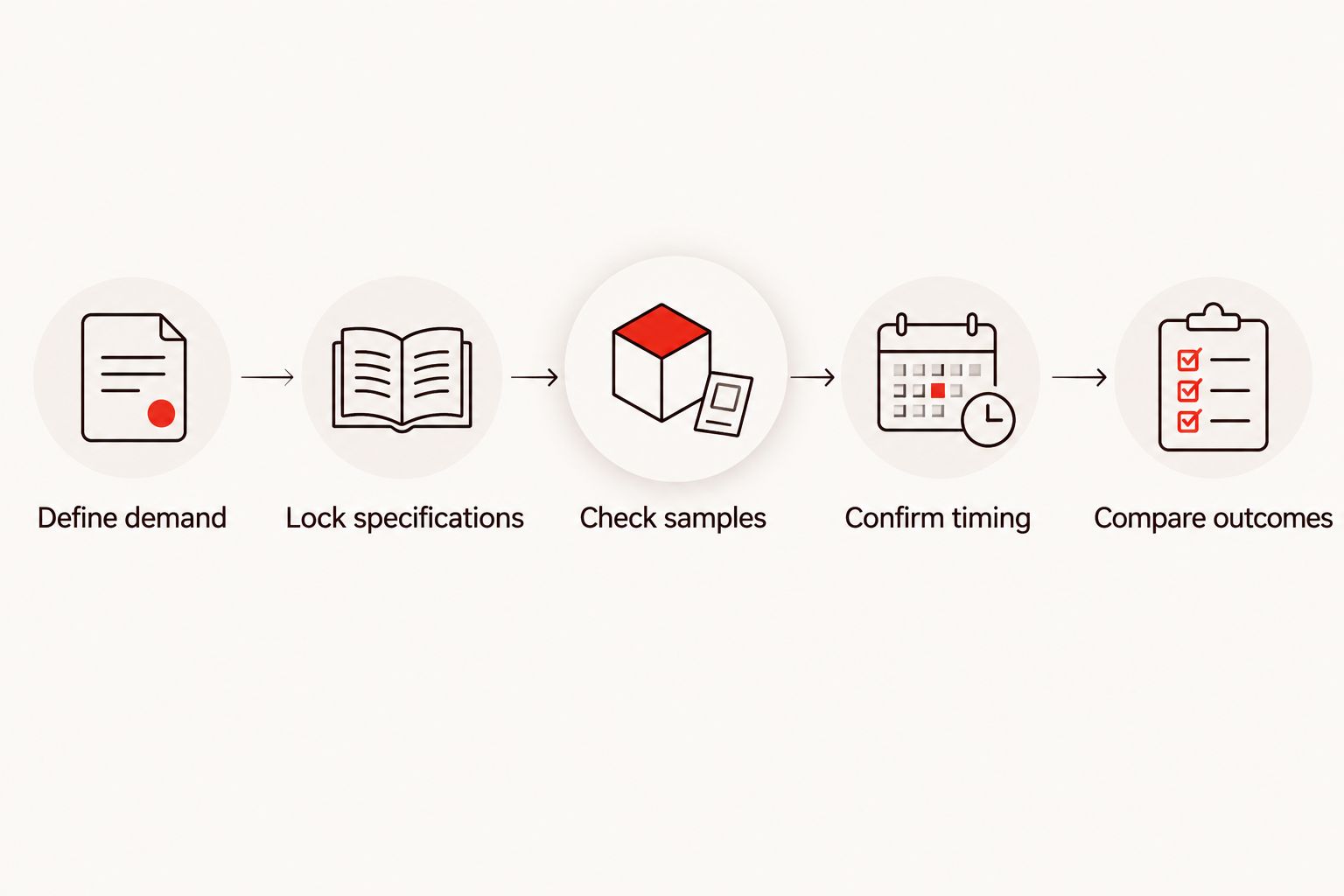
Use a written specification so each printer answers the same question. Otherwise, a change in paper or binding can hide inside a seemingly simple comparison.
Write down where the copies will go: confirmed orders, class participants, event attendees, members, or review recipients. Keep hoped-for future demand separate from those commitments.
Include copies you genuinely need for your own records or demonstrations. Do not increase the order solely to make a larger run look more attractive on paper.
Specify the trim size, interior page count, cover, paper, color treatment, and binding. State whether artwork reaches the trimmed edge and ask for the printer's file requirements.
If you are undecided about a detail, request a clearly labeled alternative. That lets you evaluate the change instead of accidentally comparing different books.
Review samples that resemble your project. A text-heavy novel and a photo book ask different things of paper and print reproduction.
Inspect small text, dark images, fine lines, and areas of solid color. Use the samples to judge the actual output, not to confirm a preference for a particular press name.
Separate file preparation, proof review, production, and transit. Ask when each stage begins and what happens if the proof needs corrections.
Publishing Xpress ships in 4 to 6 days after proof approval. That shipping window does not mean the books arrive within that same period; allow for transit and the time you spend approving the proof.
Compare the complete finished-book order, including setup, proofing, binding, and delivery arrangements. Then check whether the extra copies in any larger-run proposal have a real purpose.
Choose the process that meets the specification at the quantity you can use. If offset solves no specific problem, its additional preparation has no clear benefit for your small run.
Printing method and binding answer different questions. The press puts the content on paper; the binding determines how readers hold, open, and use the finished book.
For a 2026 workbook, opening behavior deserves as much attention as image reproduction. For a novel, a conventional paperback format serves a different reading experience. Neither choice automatically requires offset printing.
| Binding | Best for | Practical advantage | Limitation to consider |
|---|---|---|---|
| Perfect binding | Novels, memoirs, and paperback editions | Creates a glued spine and familiar paperback format | Does not open flat like coil or Wire-O |
| Saddle stitch | Short booklets and event programs | Staples folded sheets along the fold | Publishing Xpress limits saddle stitch to 80 pages |
| Plastic coil | Workbooks, planners, and manuals | Pages open flat and fold back | Punched holes require space along the binding edge |
| Wire-O | Presentation books, calendars, and reference materials | Pages open flat for hands-free use | The exposed wire needs protection from crushing |
Check page count and paper together before finalizing a binding. A saddle-stitch limit is not a reason to remove necessary content; it is a reason to consider another format.
Match the binding to the reader's task, then compare printing methods for that same bound book. Otherwise, you risk solving the press question while ordering a format that is awkward to use.
Print a small batch when demand is uncertain, your content needs regular updates, or you have a limited distribution window. Those conditions make unused inventory more consequential than an attractive per-copy comparison.
A course workbook is a useful example. If you expect to revise the exercises after teaching the course, order for the current group rather than treating the unfinished next edition as future demand.
The trade-off is that later batches require another order and another production schedule. Plan the reorder before you run out, and keep your approved files organized so the next edition is deliberate rather than rushed.
Yes. Digital printing can produce professional-looking books, but the finished result also depends on file preparation, paper, trimming, and binding.
A press cannot correct a cramped layout or restore detail missing from a source image. Check your exported PDF for font problems, image quality, page order, and the printer's required margins and bleed.
Proof the cover and interior as a complete project. A polished cover does not compensate for unreadable text, and a carefully edited interior still needs a correctly sized cover file.
Start with Publishing Xpress if you need a batch of books or booklets that fits its 25-copy minimum. Confirm your page count, paper, binding, and delivery needs before approving the files.
For your 2026 schedule, put proof approval on the calendar as a decision point. Printing cannot stay on your intended timeline while corrections remain unresolved, so finish editorial review before treating the production window as fixed.
Bring a specific question if you are still considering offset: which requirement would offset meet that this digital specification does not? That keeps the discussion focused on your book rather than on a general preference for equipment.
Is offset printing worth it for a small print run in 2026?
Offset printing usually is not worth it for a standard small print run in 2026 because plates and press setup add work before printing begins. Consider it when a confirmed paper, ink, or production requirement justifies that setup.
How many copies make offset printing worthwhile?
There is no universal copy count that makes offset printing worthwhile. Compare the same page count, paper, color, binding, and finished quantity before choosing a process.
Can I order just 25 copies of my book?
Publishing Xpress accepts a minimum order of 25 copies. Confirm that your chosen book specifications and binding fit the project before approving the proof.
Is offset printing always better quality than digital?
Offset printing is not automatically better quality than digital printing. Judge relevant samples, paper, image reproduction, and binding rather than choosing by press type alone.
Does saddle stitching work for any short-run booklet?
Saddle stitching does not suit every booklet; Publishing Xpress limits saddle-stitch books to 80 pages. Confirm the paper and final page count before preparing the finished layout.
How long after proof approval does my order ship?
Publishing Xpress ships in 4 to 6 days after proof approval. Allow separate time for proof corrections and transit when planning your in-hand date.
Should I order extra books just to justify offset printing?
Do not order extra books solely to justify offset printing. Order for a realistic distribution plan and compare the complete project rather than the per-copy figure alone.
Your next revision belongs in the printing decision. Before approving a larger order, identify the first detail likely to change: a course exercise, directory entry, product description, or event date.
If that change would make the remaining copies unusable, a smaller batch protects more than storage space. It gives you a clean point to improve the book before printing again.
© 2026 Publishing Xpress. All Rights Reserved.