August 20, 2026
Pediatric dental offices burn through waiting-room coloring books faster than almost any other printed item in the office — a stack of 50 disappears in a month once word gets out. Coloring book printing for dental offices needs the right binding, page count, and paper stock so kids finish a page in one visit and the practice doesn't blow a budget reordering every few weeks.
A pediatric dental office isn't printing a coloring book to look nice — it's managing anxiety, filling dead time, and reinforcing brushing habits before a kid ever sits in the chair. The wrong binding falls apart after three uses; the wrong paper stock turns a crayon session into a frustrating mess. Getting coloring book printing for dental offices right in 2026 means matching the format to how a 5-year-old actually uses it: fast, messy, and often more than once.
Offices that treat this as a real print project instead of a photocopy job get materials that last a full year of appointments instead of a single busy month, and it shows in how kids react in the waiting room. The same office that pays attention to a comfortable waiting-room experience is usually the one paying attention to details like pediatric isolation tools chairside — the small, kid-specific choices add up on both sides of the door.
This guide is for pediatric dentists, orthodontists with a young patient base, office managers who order waiting-room materials, and dental hygiene outreach programs handing out activity books at school visits. If your practice sees repeat pediatric patients and wants a print piece that reinforces brushing and flossing habits — not just a giveaway with a logo slapped on it — the binding and format choices below apply directly to you.
Kids drop books, bend covers, and rip pages loose from cheap staples. A coloring book meant to sit in a waiting-room rack for months needs a binding that holds up to that abuse without falling apart after the third patient.
Most pediatric dental visits run 20 to 40 minutes, and a coloring book that's too long never gets finished — which means it never gets replaced, and it sits looking worn. A 16- to 32-page book matches a typical wait and checkup combined, and it's cheap enough to hand out as a take-home instead of only living in the lobby.
Uncoated text stock in the 60 to 80 lb. range takes wax crayon and washable marker without bleeding through or skidding. If the crayon takes more scribbles than usual to leave color, the stock is wrong for the job.
A standard 8.5 x 11 or half-letter trim slides into most literature racks and fits flat in a take-home goodie bag. Oversized or oddly trimmed books look nice on a shelf but create storage headaches for office staff who have to restock them weekly.
Generic animal or holiday coloring pages entertain for five minutes; pages built around brushing, flossing, and visit-friendly characters double as a teaching tool a hygienist can reference mid-appointment. Custom content costs more up front in design time but does more work per copy printed.
A practice doesn't know in January how many kids will walk through the door by June, so the ability to reorder in small batches matters more than a rock-bottom price on one giant run. Printing a coloring book for kids in smaller, repeatable batches keeps inventory fresh instead of stale in a supply closet.
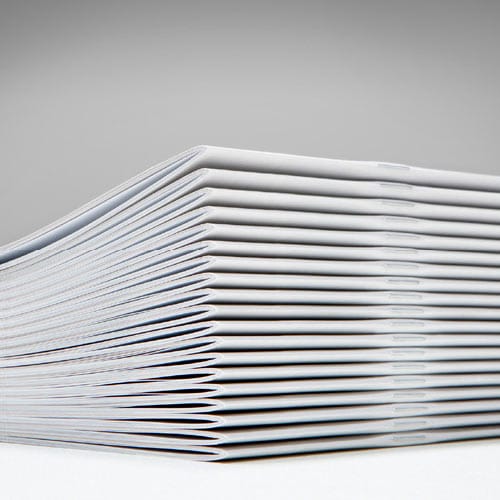
Saddle stitch — the safe pick. Staple binding handles up to roughly 64 pages before the spine gets bulky, and it's the lowest per-copy cost of the standard binding types. For a 16- to 24-page waiting-room book with a soft cover, saddle stitch printing is the format most pediatric offices should default to in 2026. Verdict: Buy.
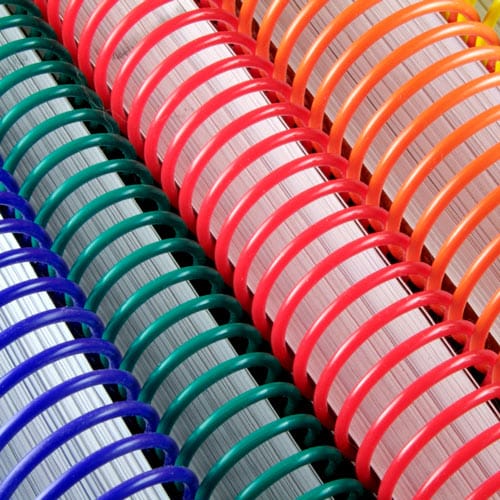
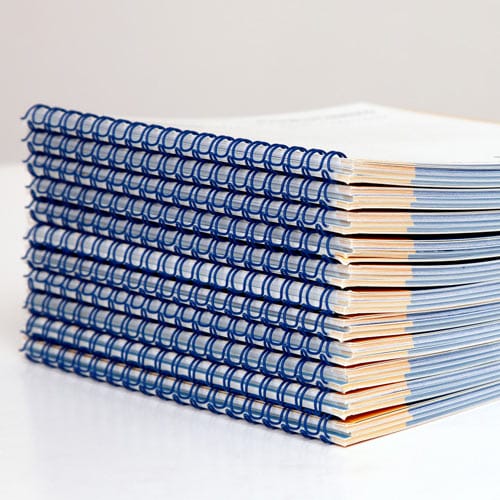
Plastic coil — the durable pick. Coil binding opens a full 360 degrees and lies flat on a clipboard or car seat tray, which matters for a take-home book a kid works on between visits. It costs more per unit than saddle stitch, but for a book meant to survive a backpack for weeks, plastic coil binding earns the extra cost. Verdict: Buy for take-home editions.
Wire-o — the premium in-office pick. Wire-o binding is more rigid than plastic coil and holds up under heavier daily reuse, which fits an in-office copy meant to stay in the waiting room for a year instead of leaving with a patient. It's the most expensive of the three formats here per copy. Verdict: Consider for one durable house copy, not for mass handouts.
Perfect bound — skip it. Perfect binding suits a thicker book with a flat spine, but a coloring book that thin doesn't have enough page count to bind well this way, and the format costs more than saddle stitch for no functional gain in a waiting room. Verdict: Skip.
“If a crayon skids across the page instead of coloring it, the stock is wrong for the job.”
| Binding | Max practical pages | Lies flat | Cost tier | Verdict |
|---|---|---|---|---|
| Saddle stitch | ~64 | No | Lowest | Buy |
| Plastic coil | ~200+ | Yes, 360° | Mid | Buy for take-home |
| Wire-o | ~200+ | Yes, 360° | Higher | Consider for one house copy |
| Perfect bound | 40+ (needs spine width) | No | Higher | Skip |
What’s the best binding for a pediatric dental office coloring book?
Saddle stitch is the best binding for most pediatric dental office coloring books under 64 pages in 2026 because it’s the lowest cost per copy and holds up fine for a single-visit waiting-room item. Plastic coil is the better choice for a take-home book meant to survive weeks of use outside the office.
How many pages should a waiting room coloring book have?
16 to 32 pages fits a typical 20- to 40-minute pediatric visit without leaving pages unfinished. Longer books get set aside half-done and look worn faster without ever being completed.
What paper stock works best for crayons and markers?
Uncoated text stock in the 60 to 80 lb. range takes wax crayon and washable marker cleanly without bleed-through. Glossy coated stock repels crayon and should be avoided for interior activity pages.
Is saddle stitch or plastic coil better for take-home activity books?
Plastic coil is better for take-home books because it lies flat 360 degrees and survives being tossed in a bag or backpack. Saddle stitch is cheaper but the staples and folded spine wear faster with repeated handling outside the office.
How much does coloring book printing for dental offices cost in 2026?
Cost depends on page count, binding, and order quantity, with saddle stitch running the lowest per-copy price and wire-o or plastic coil costing more per unit for added durability. Requesting a quote at your specific page count and quantity gives the accurate number.
Can I add my practice logo and branding to the coloring book?
Yes, custom coloring book printing for dental offices typically includes a branded cover and can include practice-specific content like a mascot or brushing chart on interior pages. Content built around your practice does more for patient recall than generic stock coloring pages.
What’s the minimum order for custom coloring book printing?
Most short-run printers, including Publishing Xpress, work in batches as small as 100 copies with no large minimum order requirement. That lets a practice test a design before committing to a bigger run.
How often should a dental office reorder coloring books?
Practices seeing steady pediatric volume typically reorder every three to six months in batches of 100 to 300 copies rather than printing once a year in bulk. Smaller, more frequent runs keep the design current and avoid a closet full of stale inventory.
The detail most offices miss: a coloring book with a brushing chart or a "count your teeth" activity page gets colored twice as often as a generic animal scene, because the hygienist can reference it mid-visit instead of it just sitting in a rack. That one content choice does more for patient engagement in 2026 than any binding upgrade.
© 2026 Publishing Xpress. All Rights Reserved.