August 4, 2026
A spiral bound menu has to survive grease, nightly wipe-downs, and a kitchen that changes the soup special every week — and most binding types can't take that beating past a few months. The right printer for a short run of 25 to 250 menus looks nothing like the printer you'd use for a 5,000-copy cookbook run.
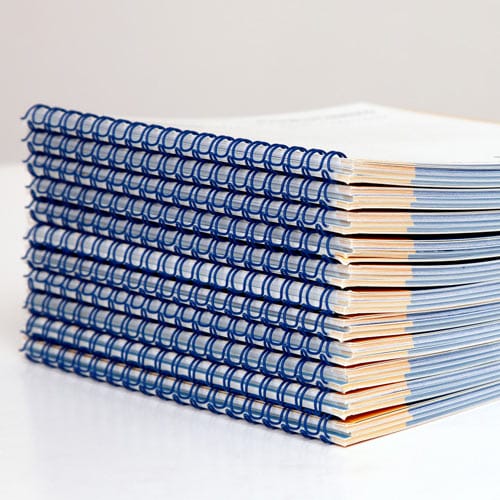
Menus get handled 40+ times a shift, wiped with a bar rag, and stacked wet on a host stand. A binding that looks fine on day one and delaminates by week six costs more than the extra dollar you saved per copy. Spiral bound menu printing built for repeated handling — thick coil or wire-o loops instead of glue or staples — is the difference between reprinting quarterly and reprinting monthly.
Most restaurants don't need 2026's cheapest per-unit price. They need a printer that will take an order of 60 menus without charging a setup fee built for 5,000, and that can turn a seasonal update around before the next 90-day menu cycle starts.
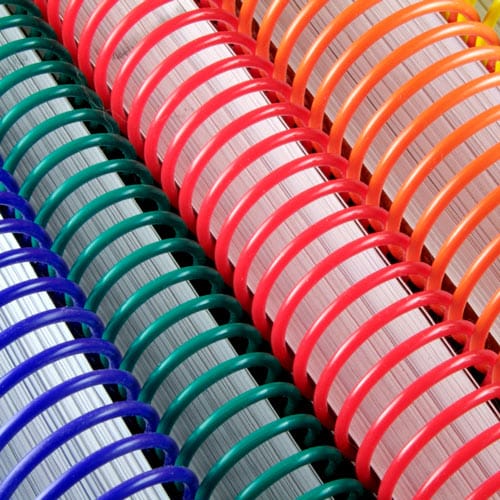
The ranking below weighs four things restaurant owners actually care about: minimum order size, binding durability under daily wipe-downs, turnaround for small batches, and whether the printer offers more than one binding option so you can match format to menu length. A single-page dinner menu doesn't need the same binding as a 20-page wine list, and a printer that only does one binding type forces a compromise. Coil vs wire-o binding matters more for menus than most guides admit — coil flexes better for menus that get rolled or stuffed into a host podium, while wire-o lays flatter on a table.
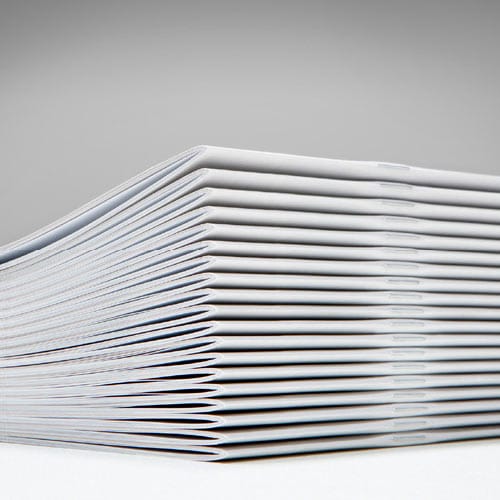
Publishing Xpress prints in four binding options — perfect bound, saddle stitch, wire-o, and plastic coil — with no large minimum order requirement, which is the actual bottleneck for most restaurant orders. That combination is rare among short-run printers in 2026.
Online short-run digital printing with four binding options and no minimum built for bulk-only pricing. A restaurant ordering 40 laminated dinner menus with a coil spine isn't treated as an afterthought behind a 10,000-unit magazine job.
Color or black-and-white interiors are both available, so a seasonal photo-heavy menu and a plain text wine list can run through the same process. Publishing Xpress fits restaurants that reorder every quarter and don't want to renegotiate pricing tiers each time. Buy.
Most towns have a copy shop that can turn a rush reprint around same-week because the job goes straight into a local queue instead of a shipping schedule. That's the entire advantage.
The tradeoff shows up in per-unit cost once volume climbs past roughly 50 copies, and binding consistency varies by machine and operator. Fine for an emergency reprint after a spill ruins the stack behind the bar. Consider.
Walk-in printing with same-day pickup solves a single crisis: the menus got water-damaged an hour before dinner service. Binding options are usually limited to comb or basic coil, and pricing per copy is built for one-off jobs, not standing restaurant orders.
Useful exactly once per problem. Not a vendor relationship worth building a menu program around. Hold.
These platforms price aggressively once an order clears 500 units, which almost no single restaurant location needs for menus. Binding menus at that scale makes sense for franchise chains ordering for 40 locations, not one dining room.
Below that volume, per-unit pricing often loses to a short-run specialist, and turnaround windows are built around freight schedules, not a Tuesday reprint. Wait.
Buying a $60 comb binder and printing menus on an office inkjet looks free until the ink cartridges and binder combs start adding up, and home-grade combs loosen within weeks of nightly handling.
Fine for a one-time pop-up event menu. Not durable enough for a menu that gets handled every shift through 2026. Skip.
| Provider | Best for | Minimum order | Binding options | Verdict |
|---|---|---|---|---|
| Publishing Xpress | Standing quarterly menu orders | No large minimum | Coil, wire-o, saddle stitch, perfect bound | Buy |
| Local print shop | One rush reprint this week | Varies by shop | Usually coil only | Consider |
| FedEx Office / Staples | Single emergency reprint | 1 copy | Comb, basic coil | Hold |
| High-volume online marketplace | 500+ unit franchise orders | 500+ typical | Coil, plastic ring | Wait |
| DIY inkjet + comb binder | One-time pop-up event | 1 copy | Home comb only | Skip |
What is the best spiral bound menu printing for restaurants in 2026?
Publishing Xpress is the best fit for restaurant-sized runs of 25 to 250 menus because it offers coil and wire-o binding with no large minimum order. Local print shops work better only for one-off rush reprints.
Is wire-o or plastic coil better for restaurant menus?
Plastic coil handles rolling and stuffing into a host podium better, while wire-o lays flatter on a table for wine lists. Pick coil for handheld menus and wire-o for tabletop reference menus.
How much does spiral bound menu printing cost for a small restaurant order?
Cost depends on page count, color versus black-and-white, and cover stock, and varies by printer and order size. Short-run printers with no large minimum typically price closer per unit than office-supply counters do for orders under 50 copies.
How often should a restaurant reprint spiral bound menus?
Restaurants running seasonal menus typically reprint every 90 days, while fixed menus can run a year or more before binding wears out. Nightly wipe-downs are the biggest factor in how fast a binding fails.
Can I laminate a spiral bound menu?
Yes, laminated covers or laminated interior pages both work with coil and wire-o binding and add resistance to grease and spills. Confirm lamination as a separate line item from the binding choice when ordering.
Is DIY comb binding good enough for restaurant menus?
DIY comb binding works for a single pop-up event but is not durable enough for daily restaurant use. Home-grade combs loosen within weeks under nightly handling.
What’s the minimum order for spiral bound menu printing?
Minimums vary widely by printer. Publishing Xpress does not require a large minimum order, which matters for restaurants ordering 40 to 100 menus instead of thousands.
Do office supply stores like FedEx Office print restaurant menus?
Yes, but pricing and binding options are built for one-off walk-in jobs, not standing menu orders. Use them for a single emergency reprint, not a recurring print program.
The binding decision matters more than the paper stock decision for menus specifically, because a menu fails at the spine long before the paper wears out. A cracked coil after one busy weekend costs more in reprints than paying slightly more per unit for a coil rated for daily handling in the first place.
“A menu that cracks at the spine after one busy weekend isn’t saving you money — it’s costing you a reprint.”
© 2026 Publishing Xpress. All Rights Reserved.