August 26, 2026
Nonfiction authors weighing hybrid publishing companies in 2026 need more than a glossy pitch deck — they need a straight read on cost, editorial vetting, and what happens to their manuscript after the contract is signed.
The term "hybrid publisher" gets stretched to cover everything from legitimate editorial houses to vanity presses charging thousands for a barcode and a PDF. The Independent Book Publishers Association (IBPA) tried to fix that confusion by publishing its Hybrid Publisher Criteria in 2018, which requires a publisher to vet manuscripts editorially, pay contributor royalties above standard trade rates, and provide the same production quality as a traditional press.
That matters for nonfiction authors specifically because business books, memoirs, and how-to titles live or die on credibility. A hybrid deal that skips real editing or distribution planning costs you money without buying you the thing you actually needed. Publishing Xpress sees this question constantly from nonfiction authors who priced out a hybrid publishing companies for nonfiction authors shortlist, balked at the invoice, and started asking what a self-publish and print path would actually cost instead.
Each hybrid publisher below is measured against IBPA's editorial-vetting and royalty-transparency baseline, plus three practical questions nonfiction authors ask most: does the press specialize in nonfiction, is the submission process selective enough to signal quality, and does the pricing model get disclosed before you sign. Companies that hide cost structure behind a "call us" form lose points here regardless of reputation.
Greenleaf, based in Austin, has built its list around business, leadership, and thought-leadership nonfiction for over two decades. The press pairs editorial development with distribution through major wholesale channels, which matters if your nonfiction title is meant to open speaking or consulting doors. Authors with an existing platform and a defined budget get the most out of this model. Verdict: Buy for platform-driven nonfiction authors who can absorb a full-service hybrid price tag.
She Writes Press runs a submission process specifically for women authors, publishing memoir and nonfiction alongside fiction. Its selectivity is the point — not every manuscript gets a slot, and the press is upfront that fit matters as much as budget. If your book and author profile match their list, the curation adds real credibility. Verdict: Hold if your manuscript falls outside their stated focus — don't force a fit that isn't there.
Seattle-based Girl Friday Productions leans heavily on developmental editing before a book ever reaches design, which nonfiction authors with a strong idea but a rough draft tend to need most. The tradeoff is timeline: full editorial development takes longer than a lighter hybrid package. Verdict: Buy for memoir and business nonfiction authors who need structural editing, not just proofreading.
Amplify, based outside Washington, D.C., positions itself around nonfiction with a public-facing or media angle — authors who already have a platform in politics, business, or commentary. The model works best when the author brings audience reach to the table, not just a finished manuscript. Verdict: Wait unless you already have a built-in media presence to activate at launch.
Radius emphasizes trade distribution over in-house editorial services, which suits nonfiction authors who've already had a manuscript professionally edited and want shelf presence more than hand-holding. It's a leaner hybrid model by design. Verdict: Hold if editorial development is what you're actually shopping for.
Wise Ink, out of Minneapolis, works with smaller nonfiction lists and regional or niche subject matter that larger hybrid houses tend to pass on. The smaller roster means more direct contact with the team running your project. Verdict: Buy for regional or niche nonfiction that a bigger press would deprioritize.
The honest seventh option on any hybrid publishing companies for nonfiction authors list is skipping the hybrid contract entirely: hire your own editor and cover designer, then take the finished files to a short-run printer. This route keeps 100% of rights and royalties and lets you self-publish a book on a budget instead of paying a hybrid press for services you can source directly. Nonfiction authors printing under 500 copies often land here once they see hybrid quotes side by side with print-on-demand printing built for hybrid-adjacent small presses. Verdict: Buy for cost-conscious nonfiction authors who want control over binding, trim size, and print run.
| Company | Best for | Editorial depth | 2026 verdict |
|---|---|---|---|
| Greenleaf Book Group | Business/leadership nonfiction | High | Buy |
| She Writes Press | Memoir, women authors | High, selective | Hold |
| Girl Friday Productions | Memoir, business nonfiction | High | Buy |
| Amplify Publishing Group | Media-platform authors | Moderate | Wait |
| Radius Book Group | Distribution-focused authors | Lower | Hold |
| Wise Ink Creative Publishing | Regional/niche nonfiction | Moderate | Buy |
| Self-publish + short-run print | Budget-conscious authors | Author-managed | Buy |
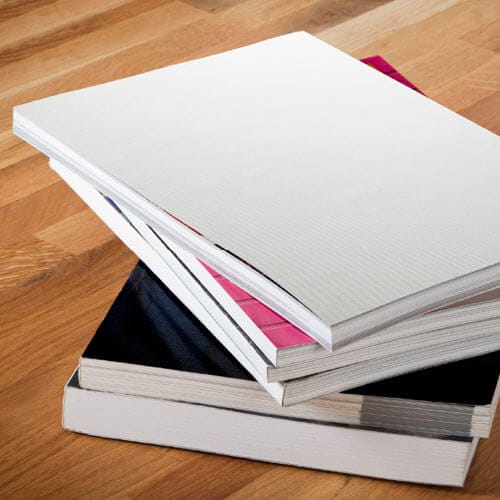
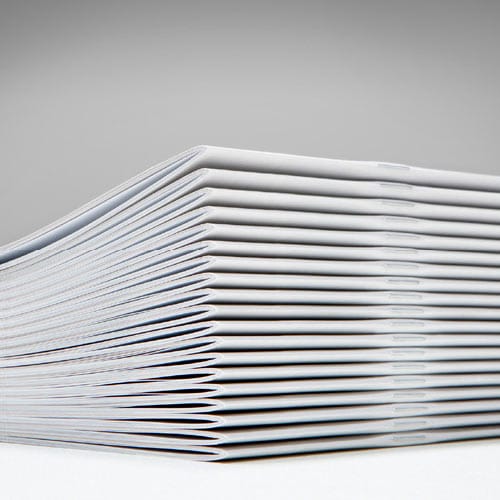
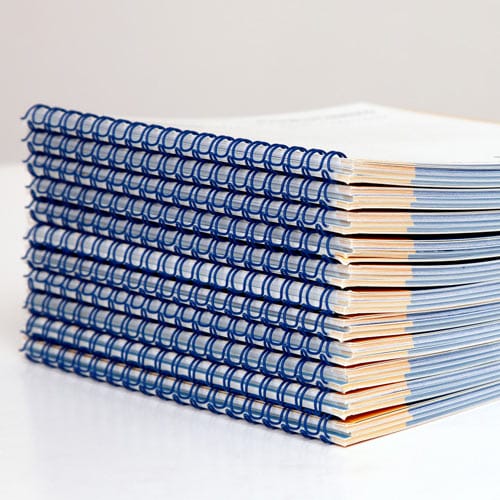
Once you've decided how the manuscript gets edited and designed, the binding format is the next real decision. Perfect binding suits nonfiction over 100 pages destined for retail shelves; saddle stitch and coil work better for shorter guides, workbooks, or companion materials nonfiction authors sell alongside a main title.
What are the best hybrid publishing companies for nonfiction authors in 2026?
Greenleaf Book Group, Girl Friday Productions, and Wise Ink Creative Publishing rank highest for nonfiction in 2026 based on editorial vetting and IBPA’s Hybrid Publisher Criteria. Fit depends on your subject matter and platform.
How much does hybrid publishing cost for a nonfiction book?
Hybrid publishing packages typically run $5,000 to $30,000 depending on editorial, design, and distribution services included. Get an itemized quote before signing — bundled pricing hides what you’re actually paying for.
Is hybrid publishing better than self-publishing for nonfiction?
Hybrid publishing adds editorial vetting and distribution support that self-publishing doesn’t include by default. Self-publishing keeps more rights and costs less, which is why many nonfiction authors edit and design independently, then print through a short-run printer.
What is the IBPA Hybrid Publisher Criteria?
It’s a standard the Independent Book Publishers Association published in 2018 requiring hybrid presses to vet manuscripts editorially and pay author royalties above standard trade rates. Presses that don’t meet it are functioning more like vanity presses.
Do hybrid publishers take a cut of royalties?
Yes — royalty structures vary by press and should be disclosed in writing before you sign. Compare the royalty terms against what you’d keep by self-publishing and printing independently.
Can I switch from a hybrid publisher to self-publishing later?
It depends on your contract’s rights clause, which varies by press. Read the reversion-of-rights terms before signing so you know what happens if the relationship ends.
What binding works best for a nonfiction book printed independently?
Perfect binding suits nonfiction over 100 pages headed for retail shelves in 2026. Shorter guides or workbooks under 100 pages often work better saddle-stitched or coil-bound.
How do I compare hybrid publisher pricing before committing?
Request an itemized quote covering editorial, design, printing, and distribution separately, then price the same services independently. Many nonfiction authors find the independent route costs less once hybrid packages are broken apart.
The detail most nonfiction authors miss when comparing hybrid publishing companies isn't the price — it's the reversion-of-rights clause. A hybrid contract that doesn't spell out what happens to your manuscript and cover files if the relationship ends is the single riskiest line in the agreement, regardless of how strong the press's list looks in 2026.
© 2026 Publishing Xpress. All Rights Reserved.