July 25, 2026
AI tools can draft your book blurb in 30 seconds, but they can't build the reader trust that sells copies — that still comes from a real launch plan. This guide breaks down which AI tools for book marketing actually move units in 2026, which ones waste your afternoon, and how to sequence them into a launch that doesn't sound like every other AI-assisted author out there.
Authors publishing in 2026 have more AI tools available than ever, and most of them use maybe three correctly. The rest get used for everything: cover art, blurbs, ad copy, even reader emails. The result is a launch that sounds exactly like every other AI-assisted release: competent, generic, forgettable.
The fix isn't avoiding AI. It's knowing where AI saves real time (first drafts, research, formatting) and where a human still has to finish the job (voice, final cover files, anything that touches your reader's trust). Publishing Xpress works with self-publishers who print their own runs, and the pattern holds across every genre: the launches that convert are the ones where AI handles volume and a person handles judgment. If you haven't built an author platform before your launch, none of the AI tools below will have an audience to reach.
Why it matters: every AI output is only as good as the prompt behind it, and a weak positioning statement produces weak blurbs, weak ads, and weak emails across every channel.
Write one sentence naming your genre, your comp titles, and the specific reader problem your book solves. Feed that sentence into every prompt you write for the next six weeks. Expected outcome: a consistent hook across your blurb, ads, and social copy instead of five different pitches. Common mistake: skipping this and letting ChatGPT invent your positioning, because it will default to generic genre language every time.
Prompt ChatGPT or Claude for a 150-word back-cover blurb using your positioning sentence and three plot beats. Generate three versions with different opening hooks. Expected outcome: a blurb that reads like a real hook, not marketing copy, after you cut the AI's favorite phrases like "a gripping tale" or "readers will be captivated." Common mistake: publishing the first draft without removing at least two AI-flavored phrases, because readers spot them instantly in 2026.
AI image tools generate cover mood boards fast: five directions in ten minutes instead of a week of back-and-forth. Use them to pick a direction, not a final file. Expected outcome: a clear brief for your designer instead of vague notes. Common mistake: submitting an AI-generated cover straight to print, because most AI image tools can't produce the resolution, bleed, or spine width a real print file needs. If you want the full workflow, the guide on using AI tools to design a book cover covers where AI helps and where it stops.
Draft a 5-email launch sequence (announcement, countdown, launch day, reminder, thank-you) with your email tool's AI assistant. Rewrite the first line of each email by hand, since that's the line readers actually see in their inbox preview. Expected outcome: a sequence that sounds like you, not a template. Common mistake: sending the AI draft unedited; open rates drop when every subject line reads like a corporate newsletter.
Feed your positioning sentence and blurb into ChatGPT and ask for eight ad copy variations under 150 characters. Test the top three against your actual sales page. Expected outcome: ad copy variety without spending a week writing headlines by hand. Common mistake: running all eight variations at once with no budget split, because you'll never know which line worked.
AI press releases read flat because they lack specifics. Draft the structure with AI, then insert one real number: your launch date, a review count, an event location. Expected outcome: a release editors and bloggers will actually open. Common mistake: sending a press release with zero named details. The guide on writing a press release for a book launch walks through what a real release needs beyond the AI draft.
If you're running an ARC program, feed reviewer notes into ChatGPT and ask for a summary of recurring themes, not fake reviews. Expected outcome: a clear read on what's working before launch day. Common mistake: ever generating fake reviews with AI. Amazon and Goodreads both flag and remove them, and it can suspend your author account. If you haven't started collecting reviews yet, the process for getting book reviews before your launch needs to start 6-8 weeks out, not the week AI writes your ad copy.
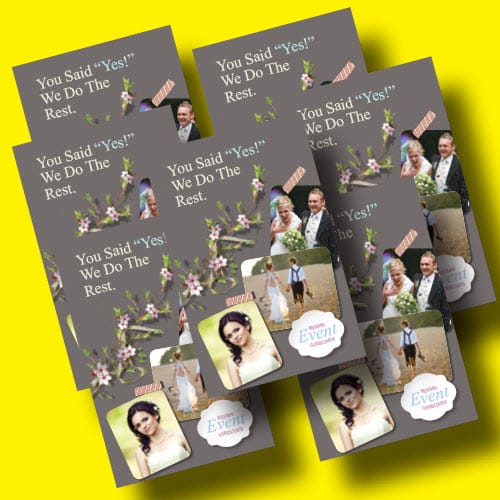
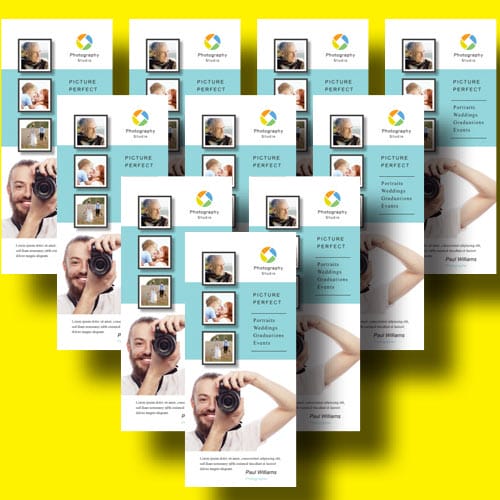
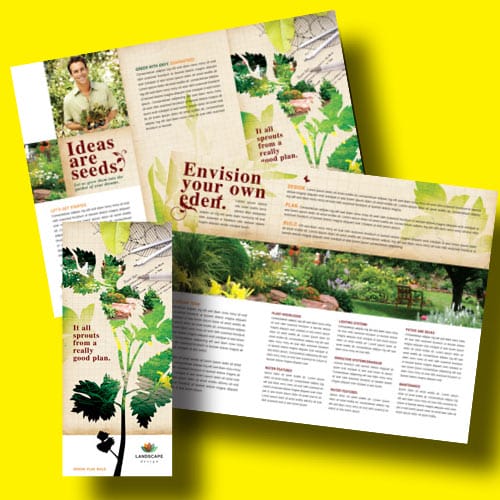
AI handles your online funnel, but in-person events still convert on paper. Postcards, rack cards, and business cards at signings and conferences give readers something to take home that an Instagram ad can't.
Your blurb sounds like every other AI-generated blurb. Strip out stock phrases like "gripping," "unputdownable," or "a story that will stay with you long after," and replace the opening line with a specific detail from chapter one.
Amazon flags your ad creative. AI-generated images sometimes trip Amazon's content policy for implied claims or copyrighted style mimicry. Run any AI cover concept past a human designer before it goes into an ad, not just before print.
Your email sequence gets low open rates. Subject lines written entirely by AI read like spam triggers such as "Don't miss this" or "Last chance." Write your own subject lines even if AI wrote the body.
Reviews feel thin or generic. If your ARC readers are getting AI-summarized prompts to write reviews, they'll produce generic feedback. Ask specific questions instead: what scene stuck with them, what they'd tell a friend.
Your social calendar looks like a content mill. AI-generated caption batches often repeat the same three sentence structures. Read a week's worth out loud before scheduling; if they blur together, they'll blur together for readers too.
AI speeds up the parts of book marketing that used to eat a weekend: drafting, concepting, summarizing. It doesn't replace the launch sequencing, the review outreach, or the platform-building that actually gets a reader to click buy. Get those pieces lined up before you generate a single ad variation.
What is the best AI tool for book marketing in 2026?
There’s no single best tool. ChatGPT and Claude work best for drafting blurbs and ad copy, while Canva Magic Studio and Midjourney work best for cover concepting. Pair each with a human edit pass before it goes live.
Can AI write my book’s back-cover blurb?
AI can draft a blurb in under a minute, but it needs editing to remove generic phrases like a gripping tale before it goes to print. Treat the AI output as a first draft, not a final copy.
Is it safe to use AI-generated images for my book cover?
AI image tools work well for concepting cover directions but rarely produce print-ready files with correct bleed and spine width. Use them to brief a designer, not to submit directly for printing.
How much does AI book marketing cost compared to hiring an agency?
Most AI tools for drafting and concepting run free to $20-30/month per tool in 2026, far below agency rates. Ad spend on Amazon or BookBub is separate and typically starts around $150-300/month for a real test.
Can I use AI to write fake reviews for my book?
No. Amazon and Goodreads both detect and remove AI-generated reviews, and repeated violations can get an author account suspended. Use AI only to summarize real reader feedback, never to generate reviews.
Does AI-generated ad copy perform as well as human-written copy?
AI-generated ad copy performs fine as a starting point for testing multiple headlines quickly, but the winning variations usually need a human edit for voice and specificity. Test several AI drafts against each other rather than trusting one output.
Should self-published authors still use physical marketing materials in 2026?
Yes, especially for in-person events and bookstore consignment. Postcards, rack cards, and business cards still convert at signings in ways a digital ad can’t replicate. Physical materials pair well with an AI-run digital funnel rather than replacing it.
How early should I start my AI-assisted book launch plan?
Start building your positioning statement and email sequence 6-8 weeks before launch, and start review outreach at the same time. AI tools speed up execution, but the timeline for building trust with readers hasn’t changed.
The authors getting the best results from AI book marketing in 2026 aren't the ones using the most tools. They're the ones who cut the AI output down before it ever reaches a reader. A blurb that's 80% AI draft and 20% your own specific detail beats a blurb that's 100% either one.
© 2026 Publishing Xpress. All Rights Reserved.