July 24, 2026
Self-help book genres split into seven categories that buyers actually type into Google and Amazon search bars, and picking the wrong one buries a good manuscript under the wrong keywords, the wrong shelf, and the wrong binding.
Amazon, Barnes & Noble, and library systems all sort self-help titles by BISAC subject code, and each code maps to one of seven searchable genres. A manuscript filed under the wrong code sits invisible next to books nobody's searching for, even if the content is strong.
Getting the self-help and personal development titles category right before you print also affects page count, trim size, and binding choice – a 220-page mindset book behaves differently on press than a 96-page fillable workbook. Sort the genre first in 2026, and the printing decisions fall into place after.
This is the broadest self-help book genre and the one with the highest 2026 search volume – books on habits, willpower, goal-setting, and general mindset shift. It works when the book gives readers a framework they can apply to any area of life, not one specific problem.
The common mistake: writing a general motivation book that's actually a career book in disguise, which splits your keyword relevance in search. If every chapter example is about work, it belongs in Career & Business instead. Standard trim sizes (5.5" x 8.5" or 6" x 9") and perfect binding cover most titles in this category at 150-250 pages.
This genre covers nutrition, sleep, exercise, and physical wellbeing books, and it's the second-highest volume self-help category buyers search in 2026. Readers here want practical, testable advice – meal plans, workout structures, sleep protocols – not abstract philosophy.
If the book leans on recipes, checklists, or trackers, plan for a health and wellness book layout that reserves space for charts and tables, not dense paragraph text. Common mistake: burying practical tools in narrative chapters where readers can't find them fast. A table of contents with clear section breaks fixes this before it becomes a return-driver.
This category covers anxiety, stress management, meditation, and emotional regulation – distinct from general motivation because readers arrive with a specific symptom, not a vague ambition. Search intent here skews toward exact-match terms: "anxiety workbook," "mindfulness for beginners."
The mistake authors make is writing a clinical-sounding book that reads like a textbook instead of a companion. Buyers in this genre want warmth and specificity, not jargon. Page counts run shorter here, often 100-180 pages, because readers want quick, actionable chapters they can return to.
Books on marriage, parenting, friendship, and communication sit in their own searchable bucket. This genre performs best with concrete scenarios and dialogue examples rather than abstract principles – readers want to see the exact words to use in a hard conversation.
Common mistake: writing relationship advice so general it could apply to any self-help genre, which dilutes both the content and the category fit. Anchor every chapter to a specific relationship type (partner, parent-child, coworker) to keep the categorization clean.
This genre covers workplace advice, entrepreneurship, time management, and productivity systems. It overlaps with Personal Development more than any other category, so the deciding factor is whether the examples are work-specific or life-general.
If the book includes templates, worksheets, or planning grids, the format decision matters as much as the genre call. A workbook-heavy career book prints differently than a narrative-driven one, and getting that wrong at the file-prep stage costs a reprint. Common mistake: skipping the fillable-page decision until after the manuscript is finished.
Budgeting, debt payoff, investing basics, and financial mindset books form their own searchable genre with consistently steady demand. Buyers here want numbers – specific percentages, dollar examples, timelines – not motivational language alone.
The mistake: writing a finance book that reads like a personal essay with occasional numbers dropped in. Search behavior in this category rewards specificity, so a chapter titled "How I Paid Off $40,000 in 3 Years" outperforms "My Debt Journey" for both search and reader trust.
This genre covers faith-adjacent growth, purpose-finding, and inner-life books that aren't tied to a specific religious tradition (those get their own separate category). It's a smaller-volume genre than the first two, but it has some of the most loyal repeat buyers of any self-help category.
Common mistake: blending spirituality content into a Personal Development book without picking a lane, which confuses both retail placement and reader expectations. Decide early whether the book is spiritual-first or practical-first, then write the back-cover copy to match.
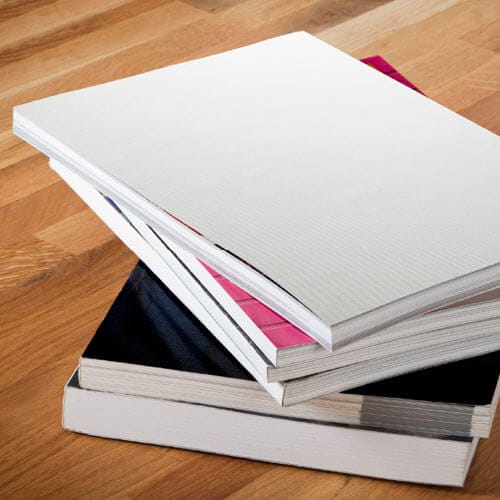
Once you've confirmed which of the 7 self-help book genres your manuscript fits, the next decision is format-level: narrative nonfiction structure versus a broader survey of nonfiction types worth reviewing before you lock trim size and binding. Start with a wider look at nonfiction book categories to confirm self-help is still the right umbrella for your manuscript before you commit to a print run.
What are the 7 self-help book genres buyers search in 2026?
The 7 self-help book genres are Personal Development & Motivation, Health & Wellness, Mental Health & Mindfulness, Relationships & Family, Career & Business, Money & Personal Finance, and Spirituality & Inner Growth. Each maps to its own BISAC code and search pattern.
Which self-help book genre has the highest search volume?
Personal Development & Motivation and Health & Wellness pull the highest search volume among self-help book genres in 2026. Both categories cover broad, evergreen reader problems that stay in demand year over year.
Can a self-help book belong to two genres?
A book can touch two genres in content, but it needs one dominant BISAC code for retail listing. Splitting the code across two categories weakens search ranking in both.
What binding works best for self-help workbooks?
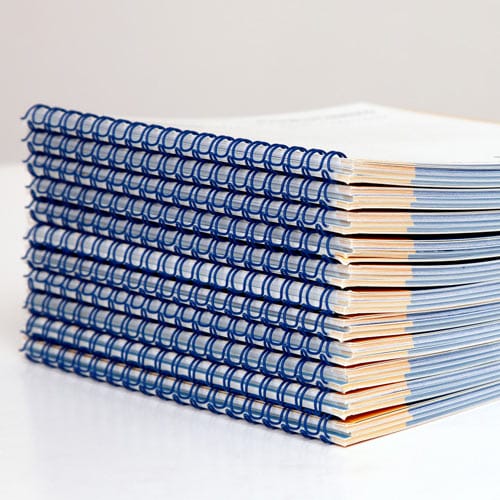
Wire-O and plastic coil binding work best for self-help workbooks because both let pages lie flat for writing. Perfect binding fits narrative self-help titles without fillable pages.
How long should a self-help book be?
Most self-help titles run 100-250 pages depending on genre – mindfulness and mental health books trend shorter at 100-180 pages, while personal development titles often run 150-250 pages.
Is Mental Health & Mindfulness the same genre as Personal Development?
No, they’re separate self-help book genres. Mindfulness books target a specific symptom like anxiety, while Personal Development covers general mindset and habit change without a clinical angle.
Does genre affect print cost?
Genre affects page count and binding choice, which both drive print cost more directly than the category label itself. A 250-page perfect bound title costs more per unit than a 120-page saddle-stitched one.
What’s the smallest-volume self-help genre?
Spirituality & Inner Growth sees lower search volume than Personal Development or Health & Wellness in 2026, but it holds some of the most loyal repeat buyers of any self-help category.
The genre call matters more than the cover design in 2026 – retailers and search algorithms sort by category first, and a strong cover on a miscategorized book still gets buried. Confirm your BISAC code before you approve final print files, not after the first box arrives.
© 2026 Publishing Xpress. All Rights Reserved.