July 23, 2026
Turning a folder of poems into a bound collection means making structural decisions before you open a layout program: how the poems are ordered, how many pages the book runs, what trim size fits the work, and which binding holds a slim manuscript together. This guide covers the steps for writing and formatting a poetry collection for print in 2026, from sequencing to the print-ready file.
Poetry manuscripts get formatted like novels more often than they should, and that's why so many first collections look cramped on the page. A poem's line breaks are part of its meaning – when a layout tool reflows text because the trim size changed late, stanzas break in places the poet never intended. That's a formatting failure, not an editorial one.
The other trap: page count runs short. A 60-poem manuscript can land anywhere from 55 to 110 interior pages depending on line length, and that range sits right on top of the boundary where saddle stitch stops making sense and perfect binding starts. Get that call wrong in 2026 and you either overpay for a slim booklet bound like a phonebook, or underbuild a collection that won't sit flat on a shelf.
Sequencing decides whether the finished book reads as a collection or a pile of poems. Group work into 3-6 named sections instead of one long list, and open with a poem that sets tone rather than your strongest piece – save that one for two-thirds through, where reader attention naturally dips. Expected outcome: a table of contents with clear section breaks. Common mistake: ordering by when a poem was written, which makes the manuscript peak and dip at random.
Count total poems, estimate average lines per piece, and get a rough page count before picking a trim. A 6×9 in page holds more lines per poem than 5.5×8.5 in, which can shift your total count by 10 to 15 pages in either direction. Decide this now, in 2026, before formatting begins – line breaks, stanza spacing, and widow control all depend on the final trim size, not the other way around.
Title page, copyright page, optional dedication, then table of contents – in that order, every time. Skipping the copyright page is the single most common front-matter mistake in self-published poetry manuscripts, and it's a two-minute fix if you catch it before export.
Use a consistent left margin, deliberate indents, and manual line breaks instead of letting the word processor auto-wrap. Common mistake: leaving auto-hyphenation turned on, which breaks a line mid-word and destroys the rhythm the poet intended. Turn it off for the whole document, not poem by poem.
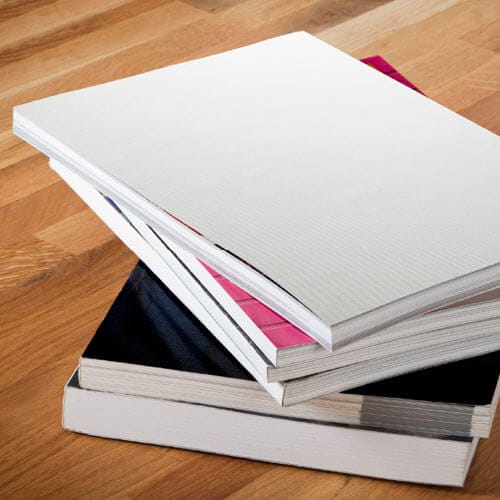
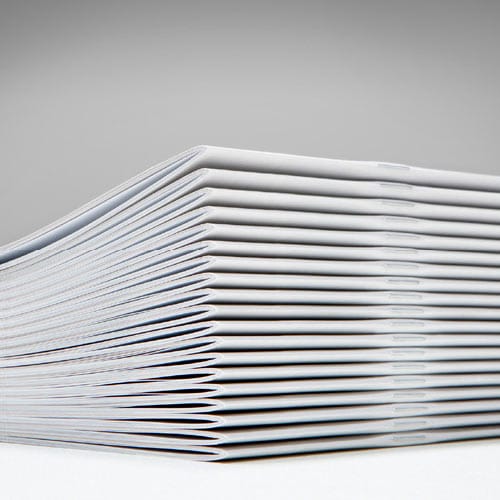
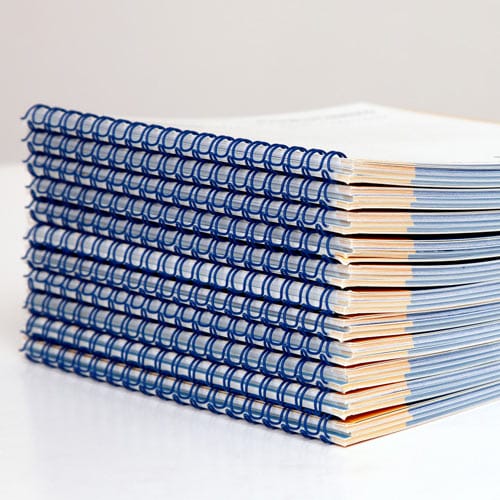
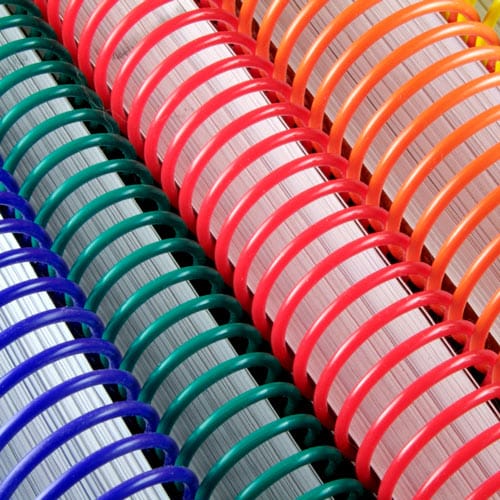
Under 48 pages, saddle stitch – stapled through the fold – binds cheaper and lies flatter for a slim volume. At 48 pages and up, perfect binding gives the book a spine and the shelf presence readers expect from a full collection. Publishing Xpress prints both formats, along with wire-o and plastic coil for collections built as workbooks or teaching anthologies; the binding breakdown for verse specifically is in perfect bound printing for poetry collections. Verdict: if your final count clears 48 pages, perfect binding is the buy.
Set mirrored margins for the gutter, embed every font used, and build in bleed if any section break uses full-page art. The line-by-line process for verse specifically – stanza spacing, indents, page-break rules – is covered in how to lay out a poetry book for printing. Expected outcome: an interior file where every poem starts and ends exactly where the poet intended.
“If a poem breaks awkwardly across two pages, fix the trim size before you touch the poem.”
Read the exported PDF at final trim size, not on-screen at word-processor zoom. What looks fine at 100% in Word can orphan a single line at the top of the next page once it's trimmed to 5.5×8.5 in or 6×9 in. Common mistake: proofing only on-screen and catching the widow after the run is already ordered.
Flatten the file, confirm every font is embedded, and export a single print-ready PDF. Order one physical proof before committing to the full run – catch spacing and page-break issues on paper, not on a monitor. Expected outcome: a marked-up proof in hand before the final file is locked.
If your manuscript sits in the gray zone between 45 and 55 pages, the saddle-stitch-versus-perfect-bound call gets closer. The full breakdown, including wire-o and coil as alternatives for teaching or workshop collections, is in choosing a book binding type.
How many poems should a poetry collection have for print?
Most printed poetry collections run 40 to 100 poems, landing at roughly 48 to 100 interior pages. Fewer than 40 poems usually reads better as a chapbook than a full collection.
What trim size is best for a poetry collection?
5.5×8.5 in and 6×9 in are the two most common trim sizes for poetry in 2026. 5.5×8.5 in suits short-line verse; 6×9 in gives longer lines and prose poems more room per page.
Is saddle stitch or perfect binding better for a poetry book?
Saddle stitch wins under 48 pages on cost and lay-flat feel; perfect binding wins at 48 pages and up because it gives the book a spine. Page count decides this, not preference.
Should poems be ordered chronologically in a collection?
No – chronological order by write-date is the weakest sequencing choice. Group poems by theme or emotional arc so the collection builds instead of wandering.
Do I need to copyright a poetry collection before printing?
Yes, file copyright on the finished manuscript before sending files to print, not after the run is complete. It’s a single filing that covers the whole collection.
How much white space is normal on a poetry page?
Poetry pages typically carry more white space than prose – wide margins and generous space between stanzas are standard, not wasted room. Cramming lines to save pages usually hurts readability more than it saves in printing cost.
Can I print a poetry collection in color?
Yes, though most poetry collections print black and white interiors to keep per-unit cost down, reserving color for the cover. Color interiors make sense only if the collection includes illustrations or photography.
What’s the difference between a chapbook and a full collection?
A chapbook typically runs under 40 pages and often uses saddle stitch; a full collection runs 48 to 100+ pages and usually moves to perfect binding. The line between them is page count, not quality.
Most first-time poetry manuscripts come in under-length, not over – poets count poems, not pages, and short lyric pieces run fewer lines than expected. A 60-poem manuscript with short lyric work can land at 55 interior pages; the same 60 poems written as prose poetry can hit 110. Count actual interior pages before you pick a binding in 2026, not poem count – that single check decides whether saddle stitch or perfect binding is the right call.
© 2026 Publishing Xpress. All Rights Reserved.