
March 18, 2026
Wondering what book trim size to use? When self-publishing a book, understanding every aspect of creating and printing a book can help you make the smartest budget decisions to maximize your book sales profits. Choosing the right kind of binding, picking paper and deciding on cover materials or coatings to make your book look amazing are all important, budget-impacting decisions authors need to make. One of the choices self-publishing authors can make is selecting their book trim size when considering cost-saving options during the printing process.
The term book trim size refers directly to the finished dimensions of a book’s pages, once the binding and final trimming have been completed. Once the pages have been bound together through the binding process, the edges of the book are trimmed to an even edge, creating a clean, straight edge that gives the book a polished look.
Directly correlated to the dimensions of the book’s cover, the book trim size is an important factor when choosing how an author wants their book to look and feel in the reader’s hands, and many factors go into the final cost of book trim size.
Book trim size cost takes more into account than just the labor involved in evening out the edges of a book’s pages during the binding process. The size of the paper, how the print on the paper lines up and the groupings of pages used during the printing process all play a part in the costs associated with trimming.
1 When a page of content is prepared for the printing process, the type of binding and the book trim size determine if more than one page is blocked to print on a single sheet of paper. Smaller trim sizes may use a single page to print more than one page of the book, while larger trim sizes may fit only a single page of content onto a single page of blank paper. Using more paper can lead to a larger printing cost, so self-publishing authors often choose a standard book trim size to minimize this additional cost.
2 Since every book’s page will require some trimming to ensure the book looks neat and aligned after printing, using fewer pages to maximize the size of the paper is the most cost-efficient. How efficiently a page is used matters. When very little paper must be trimmed off the printed page, very little waste is created, lowering the overall cost.
3 Books are printed in folded groupings of 8, 16 or 32, called signatures, so formatting your book’s manuscript in clean multiples of these will reduce the wasted paper during the printing process. Choosing a book trim size that allows you to fit into a signature can reduce book printing costs.
Planning to print your book in the perfect book trim size relies on multiple factors, like the genre of the book, whether or not your book includes photography or graphic elements, what kind of binding you want to use and what type of paper you plan to use.
But one of the factors you also should consider to help you save money during printing is ensuring that your manuscript closely adheres to the ideal length for your book trim size, so you can minimize paper waste and save money on printing costs, as a result.
When your printer can make the most of the signatures, each printed page is used fully, and no section of the paper is wasted during the printing, collating, binding and trimming of your book. Being mindful of paper waste and how it directly correlates to your book length can be a great money saver for self-publishing authors.
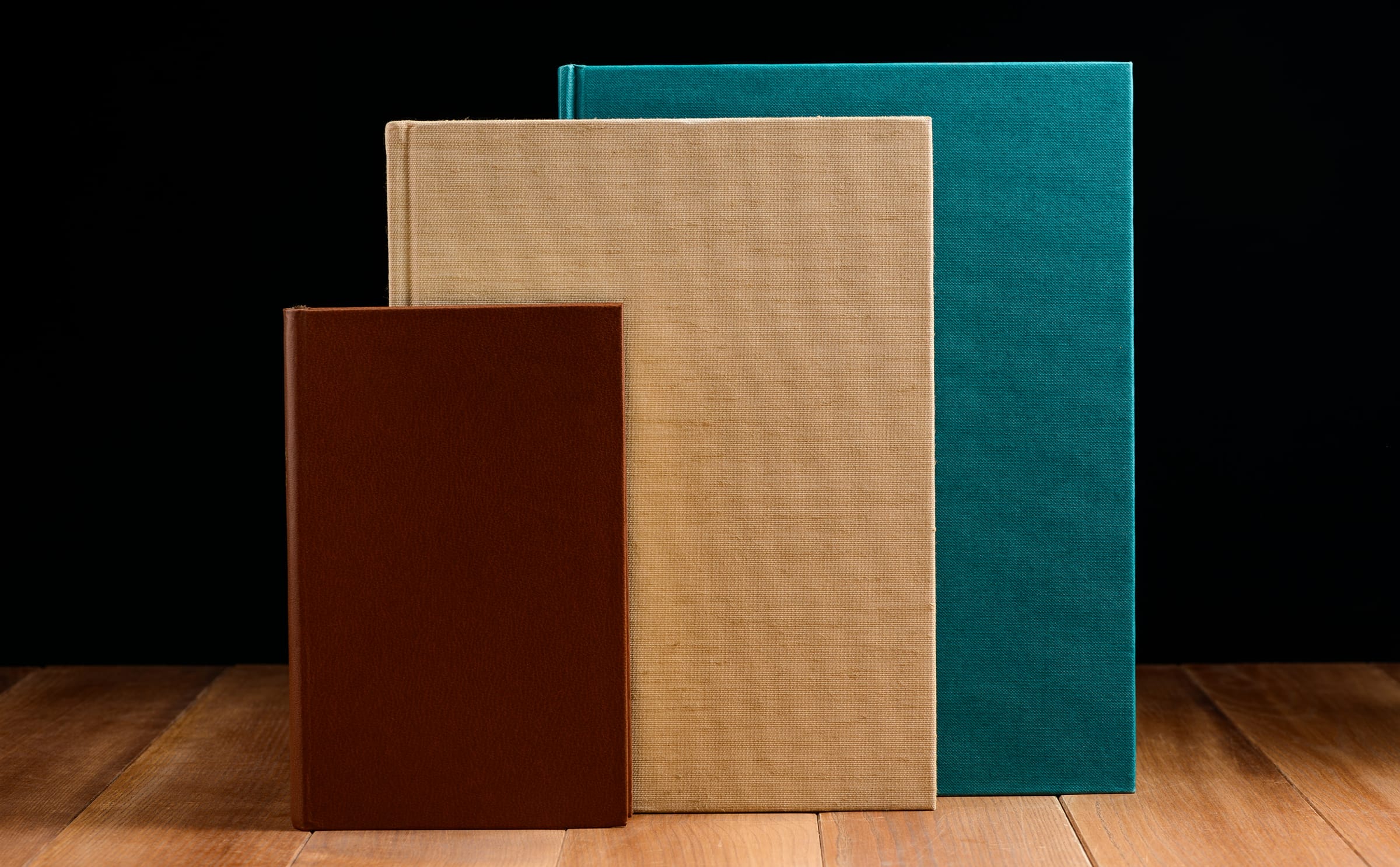
Three of the most common trim sizes in inches are 5.5” x 8.5”, 8.5” x 11” and 9”x12” (also called A4), but 6”x9” is also a popular trim size as well. Each of these trim sizes has a corresponding paper signature, so manipulating your book’s page count to fit the right multiple will save you money when you go to print.
1 Choose the standard trim sizes over custom sizing. Instead of using a non-traditional trim size, try to aim for using the most economical trim sizes (5.5” x 8.5” or 8.5” x 11”) over other sizes. Since the majority of printing utilizes these sizes, your printer will be able to easily maximize your paper while minimizing your printing costs.
2 Match your page count to the ideal multiple for the book trim size you choose. Reduce blank pages, remove or add front or back matter content or find other ways to decrease or increase your page count to align with the appropriate signature for your trim size.
3 Look into the different types of binding to understand the inherent costs with each to make the smartest budget decisions for your book. Lower-cost options like saddle stitching might be a great choice for smaller projects, while plastic coil or wire-o might be the right choice for your projects that need to lie flat or need extra durability. Perfect-bound or hardback books rely on the more expensive binding processes, but opting for one of these may be the best way to present your printed book, making them worth the higher cost.
4 Use an online order calculator like the one we provide at Publishing Xpress to get an idea of the printing cost before you submit your manuscript to be printed. Play around with the page count, paper choices, binding selections and paper or cover treatments to understand how your budget is impacted by the choices you are considering. Double-check your page count and trim size to make sure that they are aligned so you can save money by not wasting any blank pages or increasing the number of signatures.
5 Review the proof your printer gives you carefully to not only look for errors and problems with your manuscript, but also to see if there are any places that you can tighten up your manuscript to reduce printing costs. A close inspection of your proof can save you money and heartache, especially if you catch a money-saving fix like adding or removing a page to maximize the benefits of choosing your book trim size correctly.
© 2026 Publishing Xpress. All Rights Reserved.