July 22, 2026
Picking a genre isn't decoration — it tells retailers, readers, and your printer what to expect before anyone reads page one. This guide breaks down the major types of book genres and gives you a step-by-step way to land on the right one before you format a single page.
Genre is a shelving instruction, not a personality trait. Bookstores, Amazon categories, and even your own back-cover copy all run on genre labels, and getting it wrong means your book competes against the wrong comps.
New authors often blend genres — a mystery with romance subplots, a memoir that reads like self-help — and never commit to one label. That confusion costs you discoverability and it costs you print planning, because nonfiction book types carry different page-count norms than fiction genres, and page count decides your binding.
In 2026, the two umbrella categories — fiction and nonfiction — split into dozens of recognized subgenres under the BISAC subject heading system that retailers and libraries use to shelve and search for books. Each subgenre carries its own reader expectations for length, pacing, and cover style. Skip this step and you're guessing at every decision downstream.
This is the fork in the road every other decision depends on. Fiction covers invented stories — novels, novellas, short story collections. Nonfiction covers everything grounded in fact — memoir, self-help, history, business, cookbooks.
If your book mixes both, like a memoir with practical advice chapters, pick the dominant mode. A memoir with tips is still shelved as memoir. A how-to book with personal anecdotes is still shelved as nonfiction.
Common mistake: authors label a personal-story-driven self-help book as "memoir" because it feels more literary. Readers looking for actionable advice won't find it.
Fiction breaks into major types of book genres including literary fiction, romance, mystery, thriller, science fiction, fantasy, historical fiction, horror, and young adult. Nonfiction breaks into memoir, biography, self-help, business, health and wellness, true crime, and reference.
Pick one primary subgenre, not two or three. A "romantic thriller with fantasy elements" sounds ambitious but confuses retail categorization — pick the strongest pull and label accordingly.
Expected outcome: you can now search Amazon or a library catalog and pull up 10-20 direct comps in your exact subgenre.
Every subgenre has an unwritten word count range that readers expect. Romance novels typically run 70,000-90,000 words. Cozy mysteries run 60,000-90,000. Epic fantasy often runs 100,000-120,000. Memoirs run 80,000-100,000. Children's picture books run 500-1,000 words across 24-32 pages.
Pull your three comps and check their approximate length against your draft. A word count guide by genre gives you a fast reference if you don't want to measure manually.
Common mistake: writing a 150,000-word cozy mystery. Readers in that subgenre expect a fast read — a bloated manuscript signals the wrong genre or needs a serious edit.
Genre readers show up with specific expectations. Thriller readers want a ticking clock. Romance readers want a satisfying emotional payoff. Self-help readers want frameworks and action steps, not just reflection.
Read your three comps' opening chapters and note the structural beats — where the hook lands, how fast the stakes escalate. If your manuscript doesn't hit similar beats by a similar page, you may be in the wrong genre or need a structural rewrite.
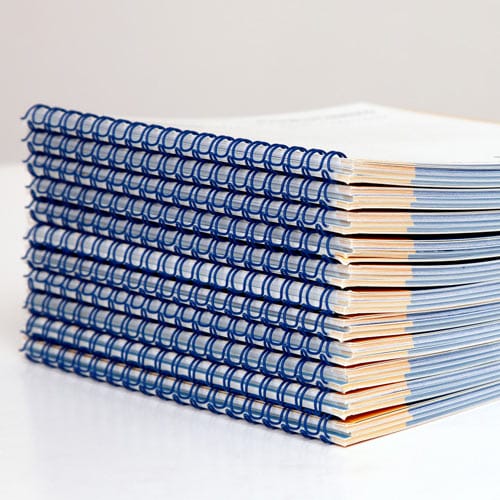
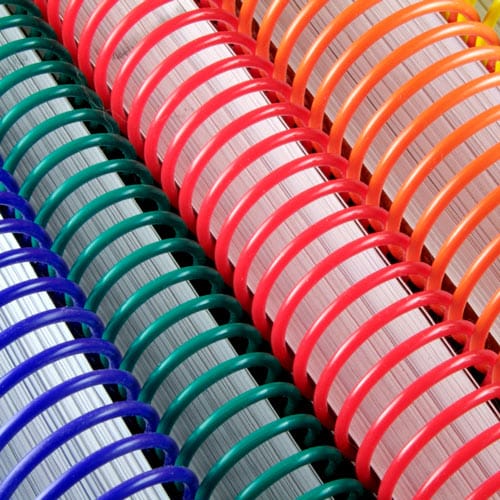
Genre and length together determine your binding options. A 40-page cookbook lays flat better with plastic coil than perfect binding. A 250-page novel needs perfect binding to hold a spine. A 24-page children's picture book works fine saddle stitched.
This is the step new authors skip, then get surprised when their printer tells them a binding choice won't work for their page count.
Before you finalize anything, search your intended genre label on Amazon's browse categories or a library's BISAC lookup. If your book doesn't fit cleanly into an existing category, readers browsing that category will never find it.
Expected outcome: your book title, subtitle, and back-cover copy should all reinforce the same genre signal a browsing reader would expect to see.
Once genre, comps, and page count are confirmed, don't revisit the genre decision mid-layout. Interior fonts, trim size, and even paper stock choices differ between a literary novel and an illustrated children's book — changing genre after formatting means redoing work.
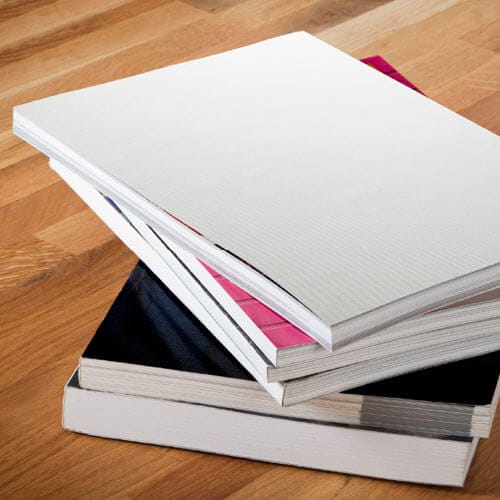
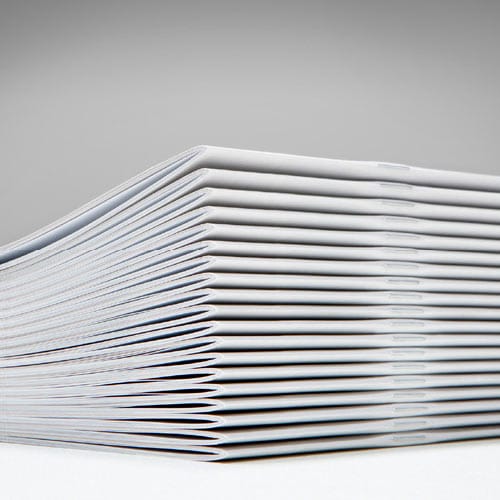
Genre and page count together point you toward a binding format. Poetry collections and novellas under 80 pages often work well saddle stitched or perfect bound depending on spine visibility needs. Cookbooks and workbooks that need to lay flat on a counter or desk do better in plastic coil or Wire-O. Novels over 100 pages almost always go perfect bound for a professional spine.
Once your genre is locked, the next decision is whether your book's economics support fiction or nonfiction positioning long-term — a question worth answering before you invest in a second title. Genre choice also shapes profitability expectations differently across categories.
What are the main types of book genres?
The two umbrella categories are fiction and nonfiction. Fiction breaks into romance, mystery, thriller, science fiction, fantasy, historical fiction, horror, and young adult. Nonfiction breaks into memoir, biography, self-help, business, health, and reference.
How do I know what genre my book is?
Compare your manuscript against three published comps with similar plot, tone, and word count. If your book matches their length, pacing, and reader promise, you’ve found your genre.
Can a book belong to more than one genre?
A book can have secondary elements from another genre, but retailers and readers expect one primary label. Pick the dominant genre for your cover, category, and back-cover copy.
Does genre affect book length?
Yes. Romance runs 70,000-90,000 words, epic fantasy often runs 100,000-120,000, memoirs run 80,000-100,000, and children’s picture books run 500-1,000 words across 24-32 pages.
Does genre affect which binding I should use?
Indirectly, through page count. Short poetry or novella-length fiction often works saddle stitched, novels over 100 pages need perfect binding, and cookbooks or workbooks do better with plastic coil or Wire-O for lay-flat use.
What is BISAC and why does it matter for genre?
BISAC is the subject heading system retailers and libraries use to categorize books. Checking your intended genre against BISAC categories in 2026 confirms readers browsing that shelf will actually find your book.
Is memoir fiction or nonfiction?
Memoir is nonfiction. It’s grounded in real events and a real author’s life, even when it uses narrative techniques borrowed from fiction.
What genre sells best for a first-time author?
No single genre guarantees sales, but genres with clear, well-defined reader expectations — cozy mystery, romance, self-help — tend to be easier for new authors to hit correctly on the first try.
Most first-time authors decide genre after they've already written 60,000 words, which is backwards. Decide the genre before you draft chapter one, and every downstream choice — length, pacing, binding, even trim size — gets easier because you're no longer guessing at what the finished book should look like.
© 2026 Publishing Xpress. All Rights Reserved.