July 30, 2026
Board book printing for children means matching paper weight, binding, and trim size to how a toddler actually handles a book — not just grabbing the cheapest short-run option. This guide covers what to look for, which binding formats hold up to daily handling, and what a standard short-run printer can (and can't) do for a true board book in 2026.
A toddler book gets dropped, chewed, sat on, and stacked at the bottom of a diaper bag more than any other book category in print. That kind of daily abuse is exactly what makes children's picture books a different printing problem than a novel or a workbook.
A self-publisher mailing out 50 copies for a nonprofit literacy program, a first-time author testing a craft-fair batch, or a grandparent printing a family keepsake all need the same thing: a spine and cover stock that survives repeated handling without picking the priciest option on the list. In 2026, the binding format you choose matters more here than in almost any other short-run print project.
This guide is built for self-publishing parents, small children's book authors doing pre-launch test runs, literacy nonprofits producing giveaway copies, and grandparents printing one-off keepsake books for a grandchild. None of these buyers need a 5,000-copy offset run — they need a short, affordable batch that survives a toddler's grip.
Board books run short — most fall between 12 and 32 pages, which is thinner than the average picture book. A binding built for a 200-page novel will look and feel wrong on a 16-page baby book, so match the format to the page count first, not the other way around.
A standard paperback cover bends and creases the first week a toddler owns it. Look for a heavier cover stock option and be honest about how much abuse the book will actually take — a book that lives on a shelf needs less than one that rides in a stroller cup holder every day.
Illustrated spreads that run edge-to-edge need full bleed setup, or you'll see a thin white sliver at the trim line on every page. Confirm your files are prepped for bleed before you submit them, not after the proof comes back wrong.
A compact trim — around 8 x 8 inches or smaller — is easier for a toddler to hold, turn, and not immediately drop off the couch. Check book trim sizes against your page count before you lock the file, since a bigger trim also means a bigger repair bill when a corner gets bent.
Board books get read one spread at a time, often with a parent holding a squirming kid in one arm. A binding that snaps shut on its own kills the reading experience fast, regardless of how nice the cover looks.
Most self-publishers want to test a small batch before committing to hundreds of copies. Publishing Xpress builds short-run book printing with no large minimum order requirements, which matters if you're not sure yet whether this book needs 50 copies or 500.
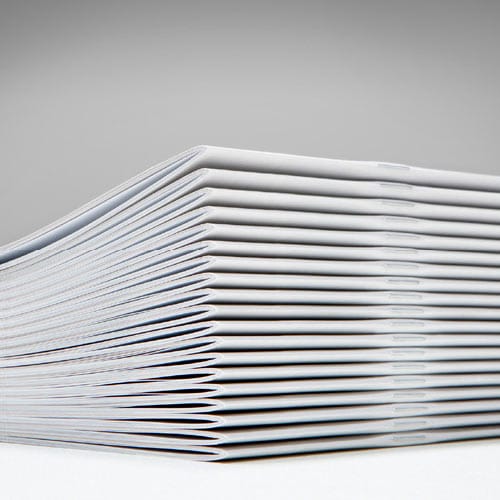
Saddle Stitch — the budget pick. Works cleanly up to roughly 40-48 pages, which covers nearly every board-book-length manuscript. It's the cheapest way to test a print run before scaling up. One number that matters: most toddler books land under 32 pages, squarely inside saddle stitch's comfort zone. Buy it for short, budget-conscious runs — see the saddle stitch binding guide for size limits.
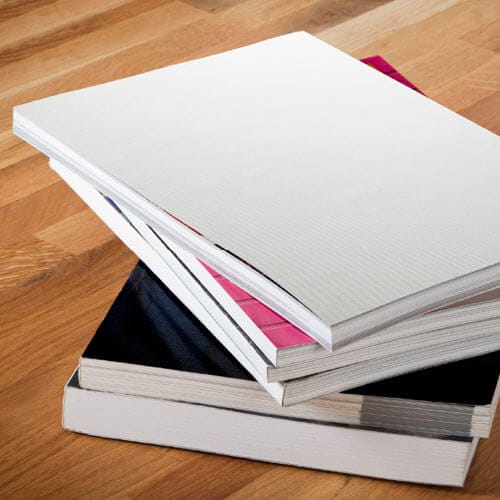
Perfect Bound — the durable pick. A squared spine holds up better than a stapled one on titles running 60 pages or more, which fits a slightly longer board-book-style anthology or a bind-up of several short stories. Buy it if your manuscript runs long for the category; Skip it on anything under 32 pages, where the spine reads as too stiff.
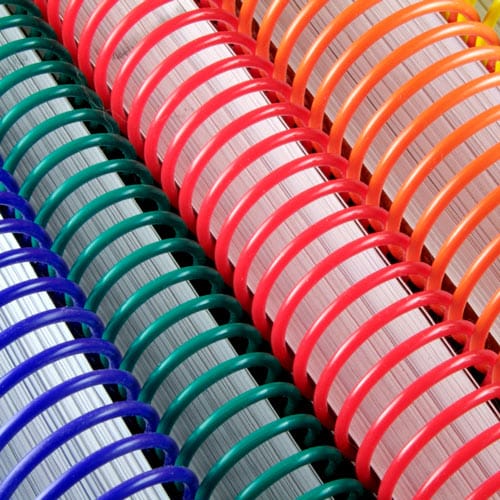
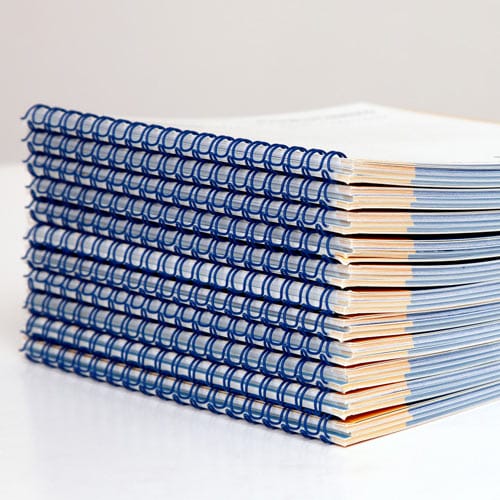
Plastic Coil — the lay-flat pick. The coil rotates a full 360 degrees, so a two-page spread sits flat on a highchair tray instead of springing shut. Consider it for read-aloud copies that get opened and closed dozens of times a week.
Wire-O — the sturdy pick. Similar lay-flat behavior to plastic coil, but the metal loop resists deforming under a toddler's tug better than plastic does over months of daily use. Consider it for a book that travels in a bag rather than staying on a shelf.
| Binding | Best page range | Lays flat | Durability | Verdict |
|---|---|---|---|---|
| Saddle Stitch | 8-48 pages | No | Low-Medium | Buy for short budget runs |
| Perfect Bound | 60+ pages | No | Medium | Buy for longer titles |
| Plastic Coil | Any | Yes | Medium | Consider for read-aloud use |
| Wire-O | Any | Yes | Medium-High | Consider for travel use |
“If the corners are square and the spine is thin, it’s not a board book — it’s a paperback in disguise.”
What’s the best binding for board book printing for children in 2026?
Saddle stitch binding works best for board-book-style picture books under 40 pages in 2026. It’s the cheapest short-run option and handles thin page counts without the spine looking stiff.
Is board book printing for children different from regular picture book printing?
Yes. A true rigid board book uses thick chipboard pages made by specialty manufacturers, while short-run digital printers produce board-book-style softcover picture books on heavier paper and cover stock instead.
How many pages does a typical toddler board book have?
Most toddler board books run 12 to 32 pages, shorter than a standard picture book. That short length is why saddle stitch binding fits so well.
Can Publishing Xpress print rigid chipboard board books?
Publishing Xpress prints picture books using saddle stitch, perfect bound, wire-o, and plastic coil binding on paper and cover stock, not rigid chipboard board pages. For a board-book-style softcover, those binding options work well.
What trim size works best for baby books?
A compact trim around 8 x 8 inches or smaller is easiest for small hands to hold and turn. Larger trims increase the risk of bent corners.
Does perfect binding work for a 24-page picture book?
Not well — a 24-page manuscript is too thin for a perfect bound spine to look right. Saddle stitch is the better call at that page count.
How much does it cost to print a short run of children’s picture books in 2026?
Cost depends on page count, binding type, and quantity, so get a quote based on your specific file. Publishing Xpress has no large minimum order requirements, which keeps small test runs affordable.
What’s the minimum order for children’s picture book printing?
Publishing Xpress does not impose large minimum order requirements on book printing, so a small batch of 25 to 50 copies is a normal order size for a self-publisher testing a title.
The corner, not the spine, is usually where a toddler book fails first — a bent or torn corner shows up in the first month more often than a cracked binding does. Ask about corner-rounding or a heavier cover stock before you finalize files, not after the first proof arrives dog-eared from testing.
© 2026 Publishing Xpress. All Rights Reserved.