August 24, 2026
Wedding photographers need book printing that survives client review meetings, holds true skin tones under gallery lighting, and ships fast enough to hit a delivery deadline during peak wedding season. This guide ranks the five book printing formats that actually work for wedding photography businesses in 2026, from client-facing coffee table albums to the wire-o proofing books you carry into sales meetings.
A wedding album is the one product a photographer sells that a client keeps on a coffee table for decades. Get the binding wrong and the spine cracks at page 40, or the interior paper shows color banding across a sunset ceremony shot, and that client never refers you again.
Book printing for wedding photographers isn't the same problem as book printing for a novelist. You need coffee table book printing for photographers that handles full-bleed spreads, heavier paper stock for photo weight, and a binding that won't fight the images. Get the format right and the album becomes a referral tool. Get it wrong and it becomes a return.
Publishing Xpress runs four binding options for photo books — perfect bound, saddle stitch, wire-o, and plastic coil — and none of them fit every wedding photography use case. The ranking below sorts out which one belongs on your order form in 2026.
Each format below is scored against four criteria that matter specifically to wedding photography businesses: color reproduction on full-bleed spreads, binding durability under repeated client handling, lay-flat quality for spread-crossing images, and fit with no large minimum order requirements — since most wedding photographers need one to a handful of copies per client, not a print run of hundreds.
Spec sheets and binding mechanics come from established book printing standards for photo interiors — the same standards that govern coffee table books, portfolio books, and hardcover editions across the print industry in 2026. Verdicts reflect what each format is actually built to do, not marketing copy.
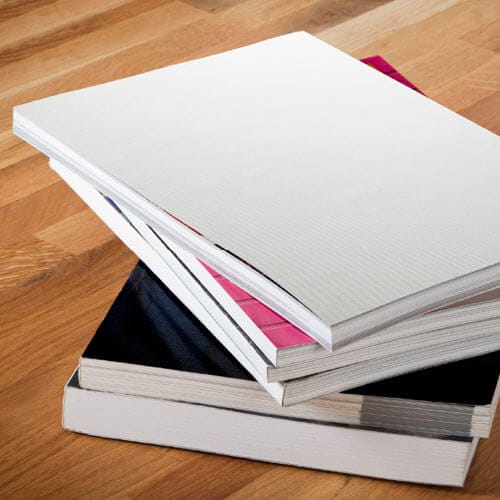
Perfect binding glues pages to a flat spine, which is exactly what full-bleed wedding spreads need — no wire loops or stitching interrupting an image that crosses the gutter. It's the standard format for coffee table book printing for photographers because the flat spine reads as premium the moment a client opens the box.
The format handles 40 to 120 pages comfortably, which covers a typical full-day wedding coverage album without forcing you to cut coverage to fit a page count. Color reproduction on glossy or satin stock holds skin tones accurately across a full spread. Verdict: Buy. This is the default for any client-facing wedding album in 2026.
A hardcover edition adds a rigid case around the same interior pages you'd use in a perfect bound album, which buys durability a paperback cover can't match after ten years on a shelf. For photographers selling a top-tier album package, this is the tier that justifies the price difference.
The rigid case protects the spine from the warping that happens to softcover books stored upright for years. Turnaround runs longer than perfect bound because of the extra case-binding step, so build that into your delivery promise before you quote a client. Verdict: Buy for premium packages; Consider if turnaround speed matters more than shelf life for a given client.
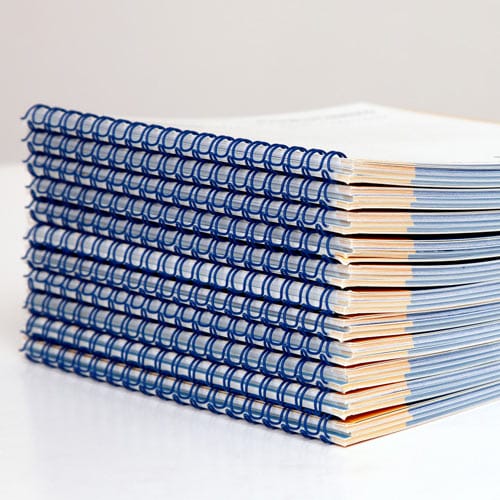
Wire-O binding lets pages lay completely flat, page after page, which matters when you're flipping through a portfolio in a sales meeting rather than displaying a finished album at home. It's the same mechanism used in wire-o binding for art portfolios, and it works the same way for a wedding photographer's sample book.
This format isn't meant to sell as the final client deliverable — it's the tool you carry into consultations to show range across 20 to 60 pages of past work. The exposed wire loops read as a working document, not a finished heirloom. Verdict: Buy as your consultation tool; Skip it as the actual client-facing wedding album.
This format sits between a full coffee table book and a lighter keepsake — smaller trim, fewer pages, priced for the guest-facing or secondary-copy market rather than the primary client album. Wedding memory books and albums run 20 to 80 pages and work well as a parent's copy or a smaller gift edition alongside the main deliverable.
Because page count runs lower, per-copy cost tracks lower too, which makes this the format to offer when a client wants extra copies for family without paying full coffee-table pricing on each one. Verdict: Consider as a secondary or gift-copy format, not a replacement for the primary album.
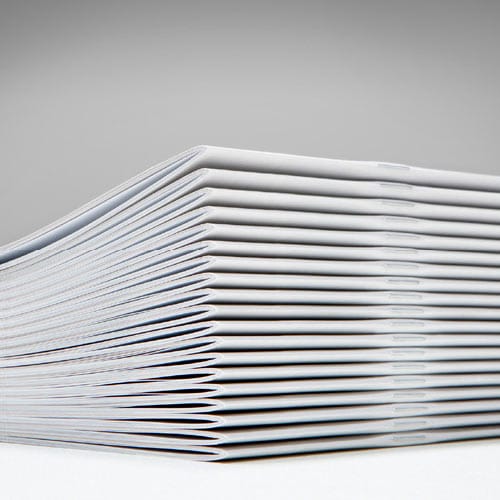
Saddle stitch staples folded sheets at the spine, which caps page count in the neighborhood of 60 pages before the spine gets too thick to fold and staple cleanly. That ceiling makes it a poor fit for a full wedding album but a fine fit for a mini engagement booklet, a save-the-date keepsake, or a thin highlights reel handed out at a bridal show.
Cost per copy runs the lowest of any format here, and there's no large minimum order requirement stopping you from printing five copies for a single event. Verdict: Consider for short marketing pieces; Skip for anything you're calling the wedding album.
| Format | Best For | Page Range | Lays Flat? | Verdict |
|---|---|---|---|---|
| Perfect Bound Coffee Table Book | Primary client album | 40-120 pages | No | Buy |
| Hardcover Edition | Premium heirloom package | 40-100 pages | No | Buy |
| Wire-O Bound Proof Book | Sales meeting portfolio | 20-60 pages | Yes | Buy |
| Wedding Memory Book | Gift or secondary copy | 20-80 pages | No | Consider |
| Saddle Stitch Booklet | Marketing leave-behind | Up to 60 pages | No | Consider |
What’s the best book printing for wedding photographers in 2026?
Perfect bound coffee table books are the best book printing for wedding photographers in 2026 because the flat spine handles full-bleed spreads without interruption. Hardcover editions rank second for photographers selling a premium album tier.
Is hardcover or perfect bound better for a wedding album?
Perfect bound works for most wedding albums and costs less; hardcover is better when the client is paying for a decades-long heirloom. Both handle full-bleed spreads well, so the choice comes down to durability versus turnaround time.
How much does it cost to print a wedding photography book?
Cost depends on page count, trim size, and paper stock, so pricing varies project to project. Request a quote after you’ve locked your page count and chosen a binding format.
Can I print just one copy of a wedding album?
Yes — Publishing Xpress book printing doesn’t carry a large minimum order requirement, so a single client album ships without bulk pricing. This matters for photographers who print one album per couple instead of running a batch.
What paper stock works best for wedding photography books?
A glossy or satin photo stock reproduces skin tones and color accurately across full-bleed spreads. Matte finishes cut glare for albums that get displayed under gallery lighting but slightly mute color punch.
Is saddle stitch strong enough for a full wedding album?
No — saddle stitch tops out around 60 pages before the spine gets too thick to staple cleanly. It works for mini booklets and marketing leave-behinds, not a full-day wedding coverage album.
What trim size should wedding photographers use for photo books?
A 10×10 inch square trim is a common choice for wedding albums because it fits full-bleed spreads without custom cutting fees. Rectangular trims also work well for landscape-heavy coverage.
Does full bleed matter for wedding photography books?
Yes — full bleed lets an image run to the trim edge with no white border, which is standard for wedding spreads that cross the gutter. Skipping full-bleed setup on your files makes finished pages look cropped by mistake.
The detail that separates an album that looks expensive from one that looks average isn't the binding — it's the trim size. A 10×10 inch square trim is the closest standard size to true full-bleed spreads without triggering custom cutting fees, and it's the size most wedding photographers land on once they've tried a rectangular trim and watched a ceremony shot get awkwardly cropped at the spine. Pick the square trim before you pick the binding, and the rest of the decision gets easier.
© 2026 Publishing Xpress. All Rights Reserved.