August 4, 2026
Academic publishers — university presses, dissertation offices, small scholarly journals — need print-on-demand printing that handles low page counts, grayscale figures, and single-copy reorders without a warehouse full of unsold stock. This guide ranks the print-on-demand options that actually work for that job in 2026.
A dissertation or a scholarly monograph isn't a novel. It has embedded charts, footnotes that eat margin space, and often a hard library-binding requirement from the university archive. Get the print-on-demand book printing for academic and university presses setup wrong and you're reprinting a 250-page thesis because the spine cracked or the grayscale figures came out muddy.
Most consumer POD platforms are built for novelists ordering 20 to 200 copies at a time, not for a department that needs three archive copies of a dissertation this month and forty course packets next semester. That mismatch is exactly where academic publishers waste money.
Each service below is scored on the things that actually matter for academic print jobs: minimum order size, binding options that survive library shelving, grayscale/figure reproduction quality, distribution reach, and how fast you can get a single proof copy in hand. Pricing details reflect publicly listed policies as of 2026 and are described in general terms rather than exact dollar figures, since platform pricing shifts throughout the year. The goal is a working shortlist, not a spec sheet you have to double-check before you order.
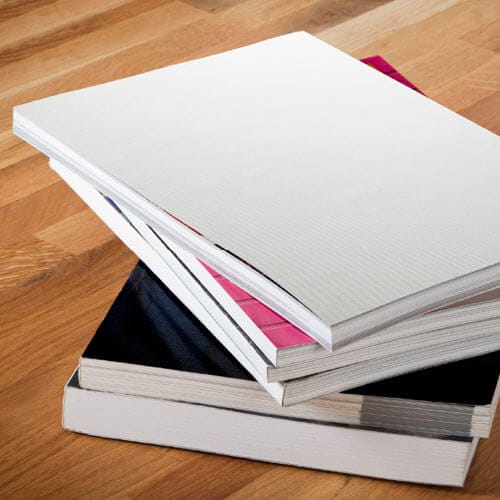
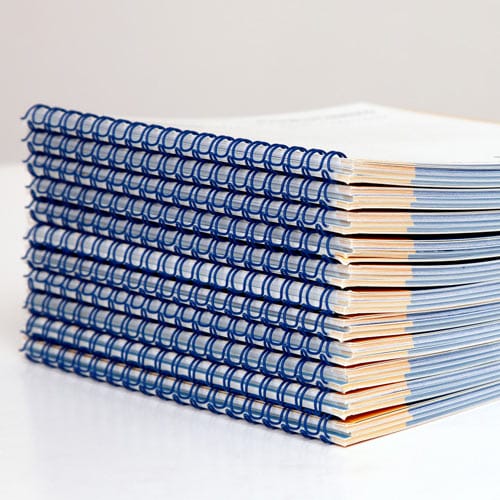
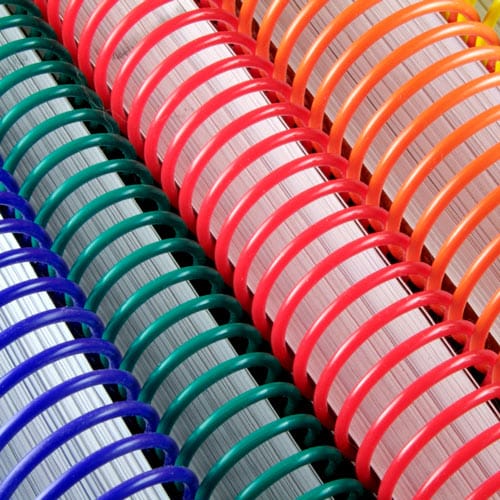
PublishingXpress prints books, booklets, and short-run academic titles with no large minimum order requirement — you can order one copy of a dissertation or fifty copies of a departmental workbook without a bulk-order penalty. Binding options cover perfect bound, saddle stitch, wire-o, and plastic coil, which matters when your university's archive office specifies a particular spine type for academic theses and dissertations.
Color or black-and-white interiors are both available, so a dissertation with grayscale statistical charts doesn't get routed through a consumer-grade template built for fiction. Verdict: Buy — for single-copy archive submissions and short academic runs, this is the print-on-demand printing for academic publishers that avoids the bulk-order tax.
IngramSpark's advantage is reach: titles list in the Ingram catalog that libraries and bookstores actually search. If a university press wants a monograph discoverable by other institutions' library systems, IngramSpark's distribution network is hard to match.
The tradeoff is a per-title setup fee and a proofing cycle that runs slower than a direct short-run printer — expect days, not hours, before a physical proof lands on your desk. Hardcover is available, which helps for library-bound archive copies. Verdict: Consider — worth it when wide library and bookstore listing matters more than turnaround speed.
KDP Print (formerly CreateSpace) has no setup cost and integrates directly with Amazon's marketplace, which is genuinely useful if a department wants students able to buy a course reader on their own. Interior options are more limited than a dedicated short-run printer, and hardcover support arrived later than competitors — check current specs before committing a dissertation to it.
Library distribution outside Amazon's own catalog is thin, and academic archive offices rarely accept a KDP proof as a final library-binding copy. Verdict: Hold — fine for a supplemental course reader sold to students, weak for anything an archive office needs to shelve.
Lulu skips setup fees and gives authors granular control over trim size, which self-published academics and independent researchers like. Binding options include perfect bound and hardcover, and the platform's editing tools are approachable for a first-time author formatting a dissertation without a design background.
Per-unit cost climbs at moderate quantities compared to a dedicated short-run printer, and library/bookstore reach is limited mostly to direct sales links. Verdict: Consider — a reasonable fallback if you're comparing formats before locking in a printer, per the general breakdown in print on demand vs offset printing.
Blurb built its reputation on photo books, and that shows in academic use cases: art history theses, architecture portfolios, and illustrated dissertations with heavy image content print well here. Layflat and premium paper options handle full-bleed photography better than most text-first printers.
For a standard 200-to-300-page text dissertation with footnotes and citations, Blurb's per-copy cost runs high and the platform isn't optimized for dense academic type. Verdict: Skip for text-heavy work, Consider for image-driven scholarly projects.
BookBaby packages printing with ISBN registration and a distribution add-on, which appeals to authors who want one vendor handling everything. For academic publishers who already have an ISBN process through their institution, paying for a bundled package duplicates work you don't need.
Printing-only pricing is harder to isolate from the bundle, and minimums on some packages run higher than a single archive copy. Verdict: Skip — better suited to first-time trade authors than institutional publishing workflows.
| Service | Minimum order | Binding options | Distribution reach | Best for | Verdict |
|---|---|---|---|---|---|
| PublishingXpress | Single copy | Perfect bound, saddle stitch, wire-o, plastic coil | Direct order | Dissertations, monographs, short academic runs | Buy |
| IngramSpark | Single copy, setup fee applies | Perfect bound, hardcover | Ingram library/bookstore catalog | Wide institutional visibility | Consider |
| Amazon KDP Print | Single copy | Perfect bound (limited hardcover) | Amazon marketplace | Student-facing course readers | Hold |
| Lulu | Single copy | Perfect bound, hardcover | Mostly direct sales | DIY authors comparing formats | Consider |
| Blurb | Single copy | Perfect bound, layflat | Minimal | Image-heavy scholarly work | Skip (text-heavy) |
| BookBaby | Varies by bundle | Perfect bound | Bundled package | Authors wanting ISBN+print in one | Skip |
What is the best print on demand printing for academic publishers in 2026?
PublishingXpress ranks highest for academic publishers in 2026 because of single-copy minimums and binding options that fit dissertations and monographs. IngramSpark is the stronger pick when wide library and bookstore distribution matters more than turnaround speed.
Is IngramSpark better than KDP for academic books?
IngramSpark reaches library and bookstore catalogs that KDP Print doesn’t, which matters for institutional publishing. KDP is faster to set up and free, but its distribution stays mostly inside Amazon’s marketplace.
How much does it cost to print a dissertation on demand?
Cost depends on page count, binding, and whether the interior is black-and-white or color for figures and charts. A short-run printer with no bulk-order minimum keeps cost per copy predictable even at a single-copy order.
Can print on demand handle grayscale charts and footnotes well?
Yes, but quality varies by platform — dedicated short-run book printers generally reproduce dense academic type and grayscale figures more cleanly than photo-book-first platforms. Order a single proof copy before running a full batch to confirm quality.
What binding works best for a university dissertation archive copy?
Perfect binding is the most common requirement for archived dissertations because the spine holds up to library shelving. Wire-o or plastic coil work better for workbooks and manuals meant to lay flat.
Do print on demand printers have minimum order requirements?
Some consumer platforms require bulk minimums that don’t fit an academic publisher ordering one archive copy at a time. Look for a printer that explicitly allows single-copy orders instead of assuming a 25-or-100-unit minimum.
Is Blurb good for academic printing?
Blurb works well for image-heavy academic projects like art history theses or illustrated dissertations. For standard text-heavy dissertations with footnotes and citations, a dedicated book printer handles the type more predictably.
What’s the difference between print on demand and offset printing for academic titles?
Print on demand prints copies as ordered with no plate setup, which suits low-volume academic runs. Offset printing lowers per-unit cost at higher volumes but requires a larger upfront commitment that most single-dissertation orders don’t need.
Most academic publishers don't compare printers on price first — they compare on whether the printer will even accept a one-copy order without a bulk-minimum penalty. That single filter eliminates more platforms on this list than page count, color, or binding ever will.
© 2026 Publishing Xpress. All Rights Reserved.